Jamba
BackLocated within the Paramus Park mall, the Jamba counter was, for many years, a familiar destination for shoppers seeking a quick and ostensibly healthy refreshment. Though this specific branch is now permanently closed, an analysis of its operations through customer feedback provides a clear picture of a business that excelled in some areas while facing significant challenges in others. It served as a classic example of a mall-based smoothie shop, offering a convenient break from retail excursions with a menu centered around blended fruit drinks and light snacks. For many, it was a reliable spot, but for others, it fell short of the expectations set by the Jamba brand.
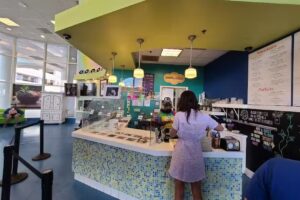
The establishment operated as a compact kiosk, a common format for food and beverage services in high-traffic mall environments. This model prioritizes speed and convenience, aiming to capture the attention of passersby with colorful branding and the appealing whir of blenders. Jamba is a brand built on the promise of fresh, vibrant ingredients, positioning itself as a healthier alternative to the typical food court fare of pretzels, pizza, and sugary sodas. This particular location attempted to fulfill that role, becoming a popular stop for those in search of fruit smoothies and other blended beverages.
The Core of the Experience: Service and Signature Products
One of the most consistently praised aspects of the Paramus Park Jamba was its staff. Multiple customer accounts highlight the positive impact of friendly and welcoming employees. One reviewer specifically mentioned a long-term staff member whose kindness made a lasting impression, fostering a sense of loyalty. Another pointed to a trainee who, despite being new, crafted an excellent drink, suggesting a solid training program and a positive work environment. In the fast-paced, often impersonal setting of a mall kiosk, this level of customer service is a significant differentiator. It transforms a simple transaction into a pleasant interaction, encouraging repeat business and building a reputation that word-of-mouth can easily spread. This focus on friendly service is critical for any fresh juice bar aiming to build a regular clientele.
The menu's signature items were another major draw. The 'Mango-a-Go-Go' smoothie was singled out by a customer as "the best smoothie I’ve ever tried," a powerful endorsement that speaks to the quality and appeal of Jamba's core recipes. This specific product is a cornerstone of the Jamba menu nationwide, and its successful execution at this location was key to its popularity. Similarly, the 'Mango Medley' was another favorite, with customers appreciating the ability to customize their orders with add-ins like whey protein. This option to personalize healthy drinks caters directly to a more fitness-conscious demographic, expanding the customer base beyond casual shoppers to include those looking for a post-workout refreshment. The mention of a chocolate and peanut butter-flavored drink further illustrates a menu diverse enough to satisfy cravings for something indulgent yet still within the smoothie format.
Operational Shortcomings: The Constraints of a Kiosk
Despite the strong points in service and popular products, the physical limitations of the Jamba location created notable problems. The most significant criticism stemmed from its identity as a "tiny kiosk." This small footprint, while efficient for a high-traffic area, directly impacted product availability and the customer experience. One of the most glaring issues reported was a severely limited selection of actual juices. A customer expressed surprise and disappointment at finding that, during their visit, the only juice available was orange juice. For an establishment that markets itself as a juice shop, this is a fundamental failure. Customers approaching a brand like Jamba expect a variety of freshly prepared juices, such as apple, carrot, or green vegetable blends. To offer only one basic option undermines the brand's core premise and can leave a lasting negative impression.
This inconsistency in stock and selection points to potential supply chain challenges or operational decisions dictated by the kiosk's limited storage and preparation space. A full-fledged cold-pressed juice program, for example, requires significant space for equipment and fresh produce, something a small kiosk cannot easily accommodate. Consequently, the business may have prioritized its more popular, blender-based smoothies over a wider range of juices, disappointing customers who sought the latter.
The kiosk's popularity, combined with its small size, also led to another common issue: long lines. While a queue can be a sign of a desirable product, it can also be a deterrent for shoppers on a tight schedule. In a mall environment, where convenience is paramount, consistent waits can drive potential customers to quicker competitors. The limited counter space and number of staff that can work simultaneously in a kiosk setup naturally create a bottleneck during peak hours, impacting the speed of service that is so crucial in this setting.
A Broader Look at the Menu and Health Perception
Beyond the lauded mango smoothies and the criticized juice selection, Jamba offered a menu that included other items like baked goods. This broadened its appeal, making it a viable stop for a light snack in addition to a beverage. The menu also featured a variety of acai bowls and other smoothie bowls, which have become a staple for the brand, catering to the demand for more substantial, meal-replacement options. These bowls, typically topped with granola, fresh fruit, and other additions, align perfectly with the health-conscious consumer trend.
However, it is worth noting that while Jamba promotes a healthy image, the nutritional content of some of its products can be deceiving. Many smoothies, especially those containing sherbet, frozen yogurt, and fruit juice concentrates, can have a very high sugar content. While the brand has made efforts to offer more options with whole fruits and vegetables, customers seeking genuinely low-sugar, natural energy drinks need to navigate the menu carefully. The brand's strength lies in its use of real fruit, which many customers perceive as a fresher, more natural option compared to artificial flavorings found elsewhere.
Final Reflections on the Paramus Park Jamba
The story of the now-closed Jamba at Paramus Park is one of contrasts. It was a business that clearly succeeded in creating a loyal following through excellent customer service and a well-executed lineup of its most popular fruit smoothies. The staff's friendliness was a memorable asset that elevated the customer experience. However, the physical constraints of its kiosk format proved to be a significant Achilles' heel. The inability to consistently offer a varied selection of fresh juices was a major drawback for a brand with "juice" in its heritage, and the small space contributed to lines that could test a customer's patience.
For the mall shoppers it once served, its closure represents the loss of a convenient and popular option for a refreshing treat. It stood as a testament to the fact that even with a strong national brand and beloved products, the success of an individual location often hinges on the fundamentals: consistent product availability, efficient service, and a positive staff. While it delivered exceptionally on the last point, its struggles with the first two may have ultimately defined its limitations.