Juicy Berry
BackAn establishment known as Juicy Berry once operated at 18 N Rio Grande Street in Salt Lake City, but it has since permanently closed its doors. The business leaves behind a minimal digital footprint, making a detailed retrospective on its specific day-to-day operations and customer experiences challenging. However, by examining its name, its prime location near a major commercial hub, and the general market dynamics for its presumed industry, we can construct a comprehensive profile of the opportunities and obstacles a business like this would have faced. For potential customers and entrepreneurs alike, understanding the context in which Juicy Berry operated offers valuable insight into the competitive landscape of health-focused eateries.
Likely Offerings: The Modern Juice Bar Menu
Given its name, Juicy Berry was almost certainly a juice bar, a type of establishment that has carved out a significant niche in the health and wellness market. A modern juice shop like this would have centered its menu on a variety of fresh juice blends, healthy smoothies, and likely, the ever-popular acai bowls and smoothie bowls. The core appeal of such a business is offering quick, nutrient-dense meal replacements and snacks to a health-conscious clientele. The menu would have likely featured vibrant combinations of fruits, vegetables, and superfood add-ins.
Customers visiting an establishment like Juicy Berry would have expected to see a range of products catering to different dietary needs and preferences. This typically includes:
- Cold-Pressed Juice: A key offering for any serious juice-centric business. Patrons would look for options ranging from simple orange or apple juice to complex green juices with kale, spinach, celery, and ginger. These drinks are marketed for their high nutritional content and are often a premium-priced item.
- Made-to-Order Smoothies: The cornerstone of the business, with recipes built around bases like almond milk, yogurt, or coconut water. Popular combinations often involve berries, bananas, mangos, and spinach. Protein powders (whey, soy, pea), nut butters, and other boosters would have been essential upsells.
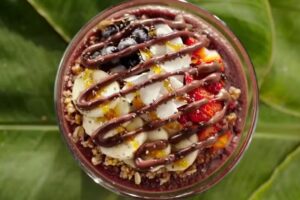
- Acai and Pitaya Bowls: These have become a staple and a significant draw. A thick, smoothie-like base made from acai or dragon fruit puree, topped with granola, fresh fruit, coconut flakes, and honey, serves as a visually appealing and substantial meal. The quality and variety of toppings would have been a critical differentiator.
Beyond these core items, a competitive juice bar might have also offered wellness shots (ginger, turmeric, wheatgrass), simple healthy snacks like energy bites, or perhaps even a limited selection of toasts or quinoa bowls. The success of the menu would have depended on the quality and freshness of its organic ingredients, the creativity of its recipes, and its ability to deliver a consistent product with every order.
The Strategic Location: Opportunity and Peril
The location at 18 N Rio Grande Street placed Juicy Berry directly in the orbit of The Gateway, a large, open-air retail and entertainment complex in downtown Salt Lake City. This address presented a classic double-edged sword for a small business. On one hand, the potential for success was immense. The constant flow of people—shoppers, office workers on their lunch break, tourists, and residents of the many nearby apartment buildings—created a large and diverse pool of potential customers. A bright, inviting juice shop offering a quick, healthy alternative to fast food could have been a perfect fit for the area's demographic.
On the other hand, this high-traffic location comes with significant challenges. Commercial rent in such a prime downtown spot is notoriously high, creating immense financial pressure from day one. Furthermore, the competition is fierce. Within The Gateway and the surrounding blocks, there are dozens of food and beverage options, from national coffee chains to fast-casual restaurants and other specialty eateries. To survive, a small, independent business like Juicy Berry would have needed to establish a strong identity and build a loyal following very quickly. It couldn't just be another place to get a smoothie; it needed to be the place.
The Customer Experience: What Separates Success from Failure
For a business focused on healthy smoothies and bowls, the customer experience is paramount, and it often comes down to a few key factors that reviews for similar businesses consistently highlight. Service speed is critical. Customers are often in a hurry, grabbing a drink on their way to work or during a short break. Long wait times can be a major deterrent, no matter how good the product is. Consistency is another major factor. A customer who loves a specific green juice expects it to taste the same every time they order it. Inconsistent portioning, blending, or ingredient quality can quickly erode trust and loyalty.
Price point is perhaps the biggest hurdle. The high cost of fresh produce, especially if organic, means that products at a juice bar are inherently expensive. A single smoothie or acai bowl can easily cost over $10 or $15. While many customers are willing to pay for quality, the perceived value must be there. If portions feel small or ingredients don't seem exceptionally fresh, customers will feel that the price is unjustified. This delicate balance between covering high operational costs and providing tangible value to the customer is one that many small eateries struggle to maintain.
The Unseen Challenges and Reasons for Closure
While the specific reasons for Juicy Berry's permanent closure are not public, businesses of this type face a common set of intense pressures. The health food market, while popular, is also incredibly saturated. New shops offering cold-pressed juice and smoothie bowls appear frequently, and standing out requires more than just a good product—it requires savvy marketing, strong branding, and flawless operations.
Inventory management is a relentless challenge. Fresh fruits and vegetables are highly perishable, and forecasting daily demand is difficult. Over-ordering leads to waste and financial loss, while under-ordering leads to sold-out menu items and disappointed customers. Staffing can also be an issue, as finding reliable employees who are knowledgeable about the products and can provide friendly, efficient service is crucial for building the repeat business necessary for long-term survival.
Ultimately, Juicy Berry's story is a common one in the restaurant industry. It was a business concept with clear potential, situated in a location with high visibility but also high costs and fierce competition. Its closure serves as a reminder of the thin margins and significant challenges faced by independent food entrepreneurs, even in a thriving market for healthy options. It occupied a space where the demand for a quality juice bar certainly existed, but successfully capturing and sustaining that demand proved to be an insurmountable obstacle.