Pressed Juicery
BackOnce a notable stop for health-conscious consumers in downtown Seattle, the Pressed Juicery at 400 Pine Street is now permanently closed. As part of a large, well-known chain, this location offered a convenient way to access plant-based foods and beverages. While it no longer serves customers, an analysis of its past performance and customer feedback provides a clear picture of what this juice bar did well and where it struggled, offering valuable insights for anyone interested in the competitive world of health food retail.
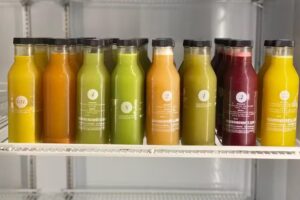
The establishment was known for its diverse menu centered around healthy, grab-and-go options. The core products included a wide array of cold-pressed juices, potent healthy juice shots, healthy smoothies, and various bowls. However, its most consistently praised offering appears to have been the "Freeze," a plant-based soft-serve treat. Patrons fondly recall creations like the chocolate freeze, which could be customized with an assortment of toppings such as s'mores, peanut butter drizzle, goji berries, and granola. For many, this unique dessert was a standout item that successfully combined indulgence with a healthier profile. Positive experiences often highlighted the friendly and helpful staff, with some customers describing the service as "fabulous" and the employees as "amazing and so much fun." This welcoming atmosphere, combined with a clean environment, created a positive impression that encouraged repeat visits.
The Bright Spots: Unique Offerings and Friendly Service
For those seeking a quick nutritional boost, this Pressed Juicery location was a reliable choice. The variety of juices, from turmeric to beet blends, catered to a range of tastes and wellness goals, whether customers were seeking detox juices or simply a refreshing beverage. The appeal of its 100% plant-based menu was a significant draw, especially for vegans or those with dietary restrictions. One reviewer with a coconut allergy specifically praised the vanilla Freeze as one of the few soft-serve options they could enjoy, highlighting the brand's ability to cater to specific needs. This focus on inclusive, allergen-conscious options was a clear strength.
The overall brand philosophy aims to make wholesome nutrition accessible, using seasonal produce and avoiding added sugars or preservatives. When this location lived up to that promise, it earned loyal customers. The positive interactions with staff further solidified this loyalty, turning a simple purchase into a pleasant part of a customer's day. For tourists and locals alike, it was a place that could deliver a satisfying and guilt-free treat.
Points of Contention: A Closer Look at the Criticisms
Despite its successes, the Pine Street location was not without significant flaws that generated considerable negative feedback. A recurring and critical issue was the brand's decision not to use organic ingredients. For a health-focused company with a premium price point—with individual items costing between $8 and $11—this was a major point of friction. Customers argued that for that price, they expected the assurance of certified organic produce, free from pesticides. This perceived disconnect between the high cost and the non-organic nature of the ingredients led some patrons to seek out competitors who did offer organic options. The concern over consuming potential pesticides was a deal-breaker for some of the most health-conscious consumers, the very demographic Pressed Juicery aimed to attract.
Inconsistent Quality and Service
Beyond the organic debate, the store struggled with consistency in both product quality and service. While some customers raved about their food, others had deeply negative experiences. One of the most severe complaints involved an acai bowl described as "truly inedible," which had to be thrown away after only a few bites. The customer suspected that the ingredients were either rotten or improperly prepared. Such an experience points to a serious lapse in quality control, which can irrevocably damage a customer's trust. This stark contrast between five-star and one-star reviews suggests that a visit to this Pressed Juicery could be unpredictable.
Operational issues also plagued the establishment. Another recurring complaint centered on employee breaks. Customers reported arriving at the shop to find a sign on the door indicating a break, only for the employee not to return at the specified time. This unreliability was a source of major frustration, preventing sales and leaving a poor impression of the store's professionalism and respect for customers' time. These service inconsistencies suggest potential underlying problems with staffing levels or management practices.
Broader Brand Challenges
Some of the issues at the Seattle location reflect wider criticisms of the Pressed Juicery brand. The company has faced scrutiny over its marketing and production processes. For instance, a class action lawsuit alleged that some of its "Greens Juices" were misleadingly advertised, with sugary fruit juices being the primary ingredients rather than the advertised green vegetables. While the company denied wrongdoing, such legal challenges can impact public perception. Furthermore, former employees and observant customers have raised questions about the freshness of the cold-pressed juices, suggesting they are processed and bottled long before reaching store shelves, potentially diminishing their nutritional value. This contrasts with the expectation of a fresh, made-to-order product that many associate with a premium juice bar.
A Retrospective on a Closed Chapter
The permanent closure of the Pressed Juicery on Pine Street marks the end of a complex story. It was a business that, at its best, provided delicious, innovative, and convenient plant-based options with friendly service. Its unique Freeze dessert and diverse juice selection earned it a dedicated following. However, it was simultaneously hampered by significant and unresolved issues. The high price point for non-organic products, severe inconsistencies in food quality, and unreliable store operations created a volatile customer experience. These internal challenges, combined with a competitive local market, likely contributed to its eventual closure. While this specific chapter is closed, the lessons from its mixed legacy remain relevant for any business aiming to succeed in the demanding health and wellness space.