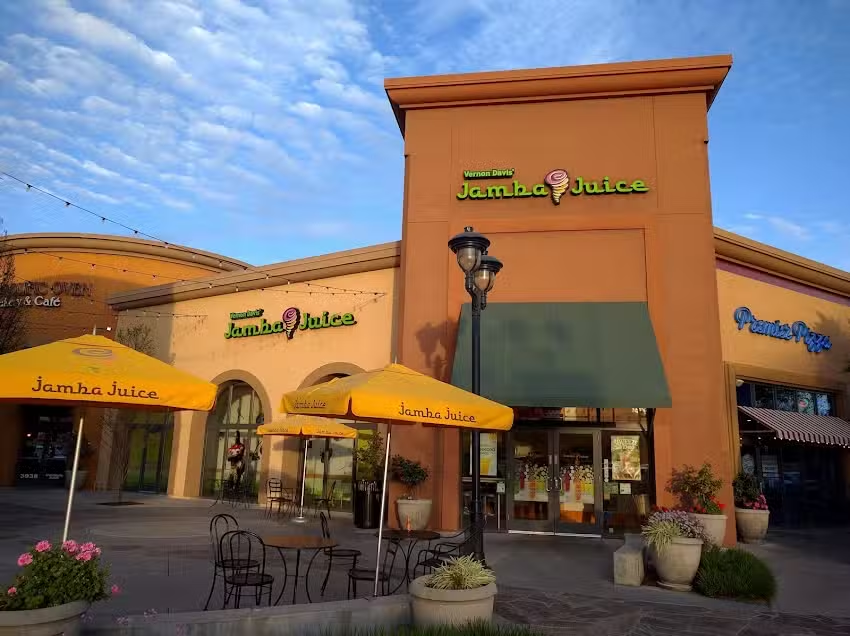
Jamba Rivermark Plaza
BackThe Jamba location at 3942 Rivermark Plaza in Santa Clara is now noted as permanently closed, bringing an end to what was for many years a convenient stop for blended fruit beverages. This specific franchise leaves behind a mixed record of customer experiences that touched upon everything from service speed to product quality and even a unique celebrity connection. A retrospective look at its operations offers a clear picture of both its strengths and the notable challenges it faced. For a long time, it stood as a typical counter-serve chain, fulfilling the public's desire for healthy smoothies and quick, light bites.
One of the most distinctive aspects of this particular Jamba was its ownership. For a period, it was known to be a franchise owned by former San Francisco 49ers tight end, Vernon Davis. This connection added a layer of local celebrity appeal and was a point of interest for some customers, turning a standard chain location into a spot with a bit more personality. Davis was known to be a hands-on owner, even appearing in promotional videos and going undercover to interact with customers at his Santa Clara store. This level of engagement likely contributed to the positive service interactions that many patrons reported over the years.
The Customer Service Experience: A Tale of Two Extremes
Feedback on the staff and service at the Rivermark Plaza location was varied but often highlighted positive elements. Several long-term customers recalled the service as being quick and friendly. In an environment where speed is key, the staff's ability to manage orders efficiently was a significant asset. Furthermore, there were accounts of employees being responsive to customer feedback. For instance, if a drink was not made to a customer's liking, the team was reportedly willing to correct it. This flexibility is crucial for any fresh juice bar, as it builds trust and encourages repeat business. Patrons appreciated specific menu items, from seasonal specials like a lime coolada to reliable mainstays like the all-fruit smoothies that catered to those seeking simpler, straightforward options.
However, the service experience was not universally positive. Some reviews painted a much different picture, describing staff as cold, impatient, or annoyed. These negative interactions severely impacted the customer's perception, making them feel unwelcome. Such inconsistencies in service quality can be detrimental, suggesting potential issues with training, staff morale, or management during different periods of its operation.
Product Quality and Consistency
As a franchise, Jamba is expected to deliver a consistent product, and for many, the Rivermark location did just that. It was a reliable place to get a standard Jamba smoothie, whether it was a classic like Strawberries Wild or a more tropical Mango-A-Go-Go. Customers often came for specific needs, such as grabbing a protein shake after a workout or seeking out wellness shots like the popular immune boost when feeling under the weather. The brand's focus on health-oriented products was a major draw, providing options that felt both indulgent and beneficial.
Despite this, the most severe criticisms directed at this location concerned product quality. One of the most damaging complaints was the inconsistent preparation of their smoothies. A recurring issue mentioned by dissatisfied customers was the excessive use of ice. Patrons who requested light ice were frustrated to receive drinks that tasted diluted and lacked the rich fruit flavor they expected. This issue represents a fundamental failure for a juice shop, as the integrity of the core product is compromised. Such experiences led to feelings of being shortchanged and resulted in extremely negative reviews, with some customers vowing not to return. Other quality control problems were also noted, such as smoothies not being blended properly, leaving behind chunks of fruit and indicating a rush or lack of care in preparation.
Logistical Hurdles and Location Drawbacks
Beyond service and product, the physical location presented its own set of challenges that impacted the customer experience. One of the most frequently cited problems was the parking situation. The Jamba was situated in Rivermark Plaza, sharing a parking lot primarily with a large Safeway. This meant that parking was often congested and difficult to find, creating a significant hurdle for a business model that relies on quick, convenient visits. For customers looking to just pop in for a smoothie, the struggle to find a parking spot could easily outweigh the convenience of the stop.
The store's interior also had its limitations. There was very little indoor seating available, making it less of a destination to sit and relax and more of a grab-and-go facility. While some outdoor seating was available in the plaza, it was not always a practical option depending on the weather. This lack of comfortable seating may have limited its appeal for customers looking for a place to meet with friends or work for a bit while enjoying their drink.
The Broader Context of Its Closure
The closure of the Jamba at Rivermark Plaza did not happen in isolation. It was part of a larger trend of business turnover in the shopping center, where other establishments also shut their doors around the same time. Residents of the area noted that several businesses left, with some speculating that rising rents may have been a contributing factor. This suggests that broader economic pressures within the commercial plaza, rather than just the specific performance of the Jamba franchise, likely played a significant role in its eventual, permanent closure. While it had a base of loyal customers, the combination of inconsistent product quality, service issues, and significant logistical challenges like parking may have made it difficult to thrive in an increasingly expensive commercial environment.