Jamba Juice
BackThe Jamba Juice location at 3480 California Street in Presidio Heights is now permanently closed, a fact that speaks to a broader narrative unfolding across San Francisco for the well-known smoothie chain. For years, this establishment served as a convenient stop for a quick beverage, capitalizing on a brand image built around health, freshness, and vibrant fruit flavors. An analysis of what this juice shop offered, both its strengths and its weaknesses, provides valuable insight for consumers navigating a crowded market of wellness-oriented eateries and sheds light on the potential reasons behind its shuttering.
At its core, the appeal of this Jamba Juice, like all others, was rooted in its extensive menu of fresh fruit smoothies. It positioned itself as the go-to destination for a quick, seemingly healthy meal replacement or a post-workout recovery drink. The menu was designed for broad appeal, featuring everything from classic strawberry and banana blends to more tropical creations with mango and pineapple. For customers seeking a functional beverage, options for adding a protein shake boost or other supplements made it a highly convenient, one-stop shop. The brand excelled at creating products that were consistently sweet, colorful, and satisfying, making them an easy choice over less healthy fast-food options. For many, it was a reliable and familiar entry point into the world of blended fruit beverages.
The Smoothie Deception: Health Halo vs. Reality
However, a significant drawback, and a point of contention for the brand over the years, lies in the nutritional content of these popular smoothies. While marketed with images of whole fruits, many signature drinks were built on a base of fruit juice concentrates, sherbet, and frozen yogurt. This resulted in a surprisingly high sugar content, often rivaling that of a can of soda. For a discerning customer truly in search of healthy juices, this was a critical flaw. The perception of health did not always match the reality of the ingredients list. This discrepancy created a trust gap with consumers who were becoming more educated about hidden sugars and the difference between nutrient-dense whole foods and processed fruit products. The reliance on cheaper, sweeter bases like pear or white grape juice concentrate was a business decision to maintain consistency and manage costs, but it undermined the central promise of a genuinely healthy product.
Beyond the Blend: The Introduction of Bowls and Bites
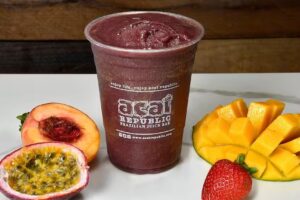
In an effort to evolve with market trends, Jamba expanded its menu to include food items, most notably the smoothie bowl and acai bowl. This was a strategically sound move, tapping into a booming market segment and offering customers a more substantial, meal-like option. A well-made bowl from Jamba could be a satisfying experience, topped with granola, fresh banana slices, berries, and coconut flakes, offering a pleasant mix of textures and flavors. It transformed the location from just a drink counter into a viable spot for a quick breakfast or lunch.
Unfortunately, these bowls often suffered from the same issues as the smoothies. They could be exceptionally high in sugar and calories, particularly with additions like honey or sweetened granola. Furthermore, the quality and presentation of a smoothie bowl could be highly inconsistent. The experience was heavily dependent on the training and diligence of the staff on duty, a common challenge within a large franchise model where operational standards can vary. For a premium-priced item, receiving a hastily prepared, watery bowl was a frequent customer complaint that damaged the value proposition.
Targeting the Wellness Niche
To capture the more dedicated health-conscious consumer, Jamba introduced specialized products like wellness shots and pre-bottled juice cleanse kits. The small, potent shots, typically featuring ginger, turmeric, or wheatgrass, offered a quick and convenient boost that aligned with modern wellness trends. For customers curious about detoxing without committing to a bespoke program from a high-end juicery, the grab-and-go cleanse kits provided an accessible entry point. These offerings demonstrated an awareness of market demands and an attempt to cater to a customer base seeking functional, targeted nutrition.
The primary criticism of these products was often related to value and authenticity. While convenient, the fresh-squeezed juice in these kits was not prepared on-site to order, raising questions about its ultimate freshness and nutritional potency compared to local competitors. The effectiveness of commercial juice cleanses is a topic of ongoing debate, and customers paying a premium for these kits may have found better value and quality at smaller, dedicated establishments that prioritize organic ingredients and cold-pressing methods. The price point, while lower than some boutique brands, was still significant enough to make consumers question if they were getting a truly superior product.
Operational Realities and the Franchise Strain
The day-to-day customer experience at the 3480 California Street location was, by its nature as a franchise, subject to variability. On a good day, the service would be fast, the employees friendly, and the store clean and welcoming. The power of the Jamba brand is its familiarity; customers knew what to expect, and the chain offered a predictable, standardized product. This reliability is a major advantage for any national chain.
However, the franchise model also presented significant vulnerabilities. Several Jamba Juice locations in San Francisco have closed in recent years, often due to a combination of high rent, reduced foot traffic, and franchisee financial difficulties. One of the largest Bay Area Jamba franchisees even filed for bankruptcy, citing the immense pressures of lease costs and pandemic-related challenges. These external pressures inevitably impact internal operations. When a franchisee is struggling, it can lead to understaffing, a decline in store maintenance, and cost-cutting measures that affect product quality. A sentiment has grown among some long-time customers that the brand's quality has diminished over time while prices have risen, creating a feeling of diminished value. The permanent closure of the Presidio Heights store is likely a symptom of these wider economic and operational challenges that plague many retail food businesses in the city.
Ultimately, the story of the now-closed Jamba on California Street is one of a brand that successfully bridged the gap between fast food and health food, but perhaps not seamlessly enough to thrive in a competitive urban market. It offered undeniable convenience and products that were tasty and accessible. For many, it was a beloved staple. Yet, for a growing segment of consumers focused on transparent, truly nutritious ingredients and a consistent, high-quality experience, it fell short. Its closure leaves a void in quick-service options for the neighborhood but also serves as a case study on the evolving expectations of the modern consumer, who increasingly demands more than just the perception of health from their chosen juice shop.