Jamba
BackThis particular Jamba location, formerly situated at 2855 Stevens Creek Blvd within the bustling Valley Fair shopping center in Santa Clara, is now permanently closed. For years, it served as a convenient stop for shoppers seeking a quick and purportedly healthy refreshment. An examination of its history, based on customer feedback and its brand identity, reveals a story of stark contrasts—a once-beloved spot that, in its later years, became a source of significant frustration for many patrons, ultimately culminating in its closure. This retrospective look offers valuable insights into what customers expect from a premier juice bar and where this location both succeeded and failed.
The Ideal Jamba Experience: Freshness and Friendly Service
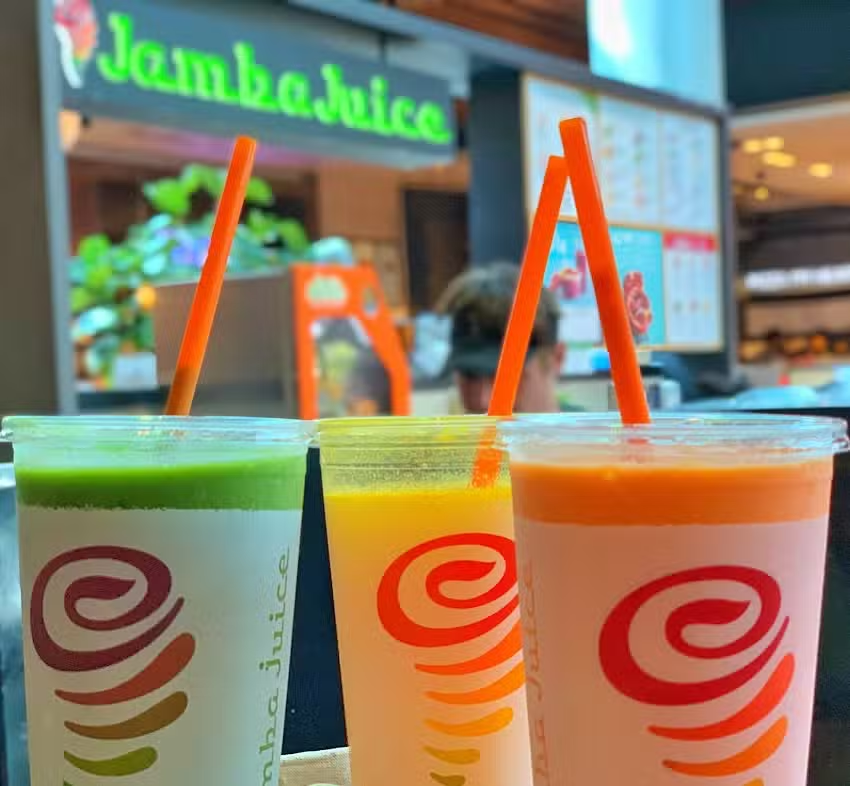
In its prime, this Jamba location embodied the brand's core promise: providing delicious, health-focused beverages in a vibrant setting. Early customer accounts paint a picture of an establishment that was a reliable go-to for high-quality drinks. Patrons praised the wide variety of fresh fruit smoothies, juices, and wellness shots. Specific menu items like the classic Mango-a-go-go, freshly squeezed orange juice, and potent wheatgrass shots were frequently highlighted as favorites. For many, this Jamba was the perfect pit-stop during a busy day of shopping, offering a nutritious alternative to typical food court fare.
Exceptional customer service was another hallmark of its better days. Some reviews described the service as "extremely impressive," with employees who were kind, patient, and helpful. Even amidst the chaos of a busy mall, this team was noted for working quickly to process orders while maintaining a pleasant demeanor. This positive atmosphere was complemented by smart promotional deals, such as a souvenir cup program that offered discounted refills—a great value for frequent visitors. In these moments, the store successfully delivered on the Jamba brand, which aims to make healthy living simple and enjoyable.
A Downward Spiral in Service and Consistency
Unfortunately, the positive narrative began to shift dramatically over time. More recent feedback preceding the closure indicates a severe decline in operational standards, with customer service emerging as the primary point of failure. A recurring theme across multiple negative reviews was the astonishingly long wait times. Customers reported waiting for 10, 20, or even more minutes, often without any acknowledgment from the staff, even when there were no other people in line. This level of disregard is particularly damaging for a business model that relies on speed and convenience.
The behavior of the staff became a significant issue. There were reports of employees completely absent from the counter, engaging in lengthy conversations with friends while ignoring paying customers, and even giving away free products to acquaintances. For customers who placed mobile orders expecting a quick pickup, the experience was equally frustrating. Some arrived to find their prepared drinks sitting on the counter, unattended and melting, with no staff in sight. This pattern of unprofessionalism and perceived laziness eroded customer trust and created an environment of neglect.
Product Quality and Availability Issues
The problems were not limited to service alone. The very products that Jamba is known for began to suffer in quality and availability. One of the most critical functions of a smoothie shop is to blend ingredients properly. However, one customer described receiving a Mango-a-go-go that was poorly blended, resulting in a watery drink with unpleasant chunks of bitter, raw mango. This is a fundamental failure that directly impacts the customer's enjoyment and perception of the brand's quality.
Furthermore, this location was frequently plagued by inventory shortages. Patrons often found that the store was out of essential ingredients, such as pineapple sherbet, or in some cases, reportedly "out of everything." This inconsistency makes it impossible for customers to rely on getting their favorite drink. In a particularly baffling interaction, a customer asking for a simple orange juice was told that the establishment—a well-known healthy juice bar—did not serve juices. This type of misinformation points to a complete breakdown in staff training and operational consistency, leaving customers confused and dissatisfied.
What Went Wrong at This Jamba Location?
Reflecting on the collective customer feedback, a clear picture emerges. This Jamba branch suffered from a systemic failure in management and staffing in its final years. While the brand itself offers a popular and well-defined menu of protein shakes, acai bowls, and cold-pressed juice, the execution at this specific franchise location fell drastically short of expectations. The stark contrast between glowing older reviews and the more recent, overwhelmingly negative ones suggests a significant change in ownership, management, or staff culture.
Key Areas of Failure:
- Customer Service: The most significant issue was the decline in service standards, from simple neglect to unprofessional conduct. In the fast-paced environment of a major shopping mall, efficiency and a positive attitude are non-negotiable.
- Product Consistency: Failing to blend a smoothie correctly or maintain stock of core ingredients demonstrates a lack of attention to detail and operational discipline.
- Operational Reliability: The inability to manage in-store and mobile orders effectively created a chaotic and unreliable experience for all customers.
Ultimately, while this Jamba location is no longer in business, the experiences of its former customers serve as a crucial reminder. A strong brand name and a desirable product are not enough to guarantee success. The day-to-day execution—friendly service, consistent product quality, and operational efficiency—is what truly defines a customer's experience and determines the long-term viability of any retail establishment. Patrons looking for a reliable juice shop will prioritize locations that consistently deliver on these fundamental principles.