Juice Generation
BackThe Juice Generation location at 69 Prince Street is now a memory in the bustling landscape of New York City's food scene, having permanently closed its doors. For years, it operated as a counter-serve spot for those seeking quick, health-conscious options. As a branch of a well-known NYC-based chain established in 1999, it aimed to make healthy living accessible through a menu centered around juices, smoothies, and bowls. Yet, an analysis of its operations through customer feedback reveals a business that, while offering desirable products, often struggled with consistency and value, painting a complex picture of its tenure in a competitive neighborhood.
The Appeal: What Kept Customers Coming Back
On its best days, the Prince Street establishment was seen as a haven, particularly during sweltering city weather. Customers found its offerings, especially the fresh smoothies, to be genuinely refreshing and worth what was sometimes a significant wait. The menu was extensive, catering to a wide array of tastes and dietary preferences, from those seeking a protein boost to others wanting a fruity, cooling treat. This variety was a cornerstone of its appeal, ensuring that nearly everyone could find something to enjoy. The brand itself prides itself on making health and wellness accessible through nutrient-rich products.
One of the most frequently praised items were the acai bowls. Patrons highlighted combinations like peanut butter infused bowls, describing them as essential and perfectly crafted. For some, the experience felt luxurious and holistic, with staff being referred to as "artisans" who took the time to blend drinks to perfection. This perception of high-quality craftsmanship created a loyal following among those who valued a well-made, healthy meal. The brand's diverse menu includes popular items like the "PB Açaí®" and the "Get Ur Green On®" smoothie, which consistently draw positive attention.
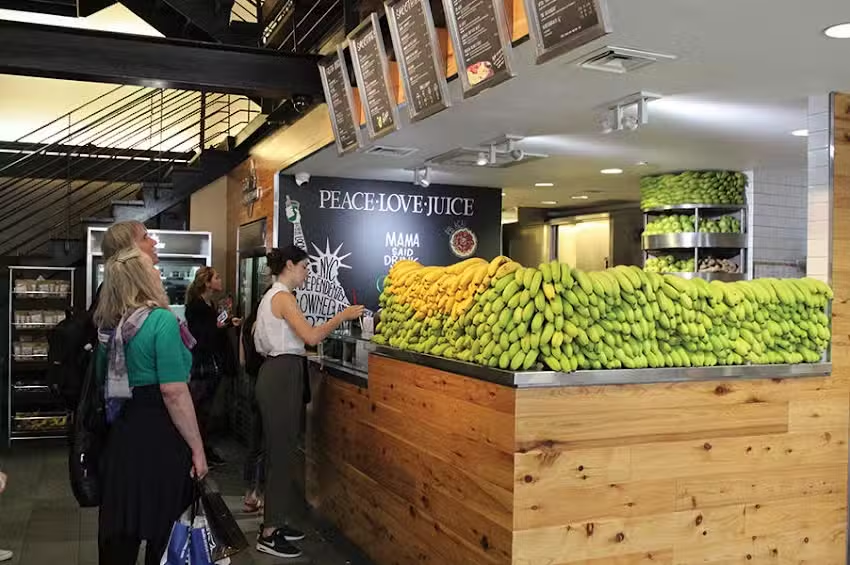
Beyond the menu, the physical space itself was a significant asset. The location featured multiple floors with comfortable seating, offering a rare opportunity in a fast-paced environment to sit, lounge, and people-watch. This turned a simple trip to a juice bar into a more prolonged and relaxing experience. Furthermore, the establishment was dog-friendly, a thoughtful touch that resonated deeply with pet owners and broadened its customer base. This combination of quality products and a welcoming atmosphere created moments where the business truly shined, delivering on its promise of a positive, health-forward experience.
Service That Stood Out
While service can be a point of contention for many establishments, there were instances of exceptional customer care at this Juice Generation. One notable account describes a staff member thoughtfully asking a customer if they wanted the extra portion of their smoothie that remained in the blender, providing it in a separate cup. This small gesture demonstrated an awareness of value and a commitment to customer satisfaction. It’s these moments of positive interaction that can build a strong reputation and encourage repeat business, suggesting that the potential for excellent service was present within the team.
The Drawbacks: Areas of Inconsistency and Concern
Despite its positive attributes, the Prince Street location was plagued by several significant issues that detracted from the customer experience. A recurring complaint was the long wait times. While somewhat expected at a popular smoothie shop in a high-traffic area, the delays were often frustrating for customers looking for a quick and convenient option. In a city where time is a valuable commodity, consistent long waits can easily drive patrons to competitors.
Product quality, while often praised, was not always consistent. One of the most pointed critiques was that the smoothies were often "wayyyyy too sweet." For a business catering to a health-conscious clientele, an over-reliance on sweeteners can be a major misstep. Customers seeking natural smoothies and detox juice are often looking to avoid excessive sugars, and the perception that the drinks were overly sweetened suggested that making them at home would be a healthier and better-controlled alternative. This feedback indicates a disconnect between the brand's healthy image and the actual product execution for some patrons.
The Most Damning Criticism: Waste and Perceived Value
Perhaps the most serious and damaging complaint leveled against this location was a specific operational policy regarding leftover smoothie portions. Multiple customers reported that after their cup was filled, the remaining smoothie in the blender—often a significant amount, especially when extra, paid-for ingredients increased the volume—was simply thrown away. This practice was deeply troubling to customers on multiple levels.
Firstly, it represented a direct hit to the customer's sense of value. Patrons paying a premium for a smoothie, and even more for add-ins, rightly expect to receive the full product they purchased. Watching a portion of it be discarded felt like being short-changed. This was compounded by concerns over macronutrient accuracy; if a customer orders a specific amount of protein or other supplements, they have no way of knowing if they are receiving the full nutritional benefit if a portion of the final product is tossed. This lack of transparency is a major issue for anyone tracking their dietary intake closely.
Secondly, the practice was viewed as incredibly wasteful. In an era of increasing environmental and social consciousness, blatant food waste is a major turn-off for many consumers. For a brand built on wellness and natural products, such a policy seemed contradictory to a holistic and sustainable ethos. This issue was significant enough for at least one customer to vow never to return, highlighting how a single operational flaw can permanently alienate a portion of the customer base. While some staff members occasionally offered the extra amount, the fact that it wasn't a standard policy created an inconsistent and often negative experience.
A Retrospective Look at a Closed Chapter
The permanent closure of the Juice Generation at 69 Prince Street marks the end of a business that was a study in contrasts. It succeeded in creating a product lineup, including a variety of healthy juices and cold-pressed juice, that resonated with many. The multi-level, dog-friendly space was a genuine asset that provided real value beyond the menu. However, it ultimately failed to maintain the consistency in service and operations necessary to thrive. The negative experiences, particularly the frustrating waits, overly sweet products, and the deeply unpopular policy of discarding leftover smoothie, created a significant drag on its reputation.
In the highly competitive food and beverage market of New York City, even a well-known brand cannot afford such inconsistencies. Customer loyalty is hard-won and easily lost. The story of this specific location serves as a crucial reminder that success in the wellness industry depends not only on offering healthy products but also on delivering them with transparency, value, and respect for the customer's investment and principles. While it once provided a refreshing stop for many, its legacy is now a cautionary tale of potential unfulfilled.