
Juice Press
BackFor a time, shoppers at the Whole Foods in Bridgewater had access to a convenient, specialized health-food counter right inside the grocery store: Juice Press. This particular location is now permanently closed, but its presence highlighted a unique retail strategy and catered to a specific, health-conscious clientele. Though its tenure was ultimately limited, an examination of what it offered, and the potential reasons for its departure, provides a clear picture of this former establishment.
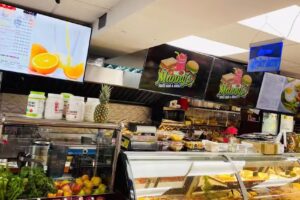
Situated at 319 Chimney Rock Rd, the Juice Press counter operated as a store-within-a-store, a model designed for synergy and convenience. The concept was simple: while doing your regular grocery shopping, you could easily grab a high-quality, freshly made beverage or snack without a separate trip. For those already committed to the organic and natural ethos of Whole Foods, Juice Press was a logical and appealing extension. It received a perfect 5-star rating from the few customers who reviewed it online, with one concise but telling comment summing up the experience as simply "yum!". This suggests that for its target audience, the product quality was exceptional.
The Brand's Commitment to Quality
To understand the value of the Bridgewater location, one must first understand the Juice Press brand itself. Founded with a mission to provide accessible, plant-based, and unprocessed foods, Juice Press built its reputation on a strict set of principles. The company is known for its extensive menu of cold-pressed juice, healthy smoothies, acai bowls, and a variety of vegan snacks and meals. Their commitment extends to using 100% organic ingredients whenever possible and avoiding processed sugars, GMOs, and high-pressure processing (HPP), a common pasteurization method that can degrade nutrients.
The core of their offering is the cold-pressed juice. This method uses a hydraulic press to extract juice from fruits and vegetables without using high heat, which can destroy sensitive vitamins and enzymes. The result is a more nutrient-dense beverage, believed to offer superior health benefits, such as boosting immunity, reducing inflammation, and improving digestion. This dedication to a premium extraction method was a major selling point and justified its mid-range price point (rated 2 out of 4), appealing to customers willing to invest in their nutritional intake.
What Was on the Menu?
While the specific menu at the Bridgewater location is no longer available, it would have mirrored the brand's standard fare. Customers could expect a wide array of options, including:
- Organic Juices: Pre-bottled and ready to grab, with blends ranging from green juices packed with kale and spinach to fruit-forward options and robust root vegetable concoctions.
- Made-to-Order Smoothies: Customizable healthy smoothies blended on the spot, often featuring superfood ingredients like spirulina, maca, and plant-based protein powders. Popular items from the brand include the "Blue Magic" and "Clean Green Protein" smoothies.
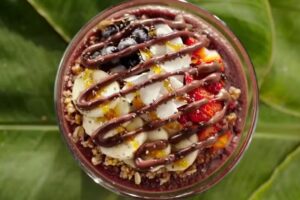
- Acai and Pitaya Bowls: Thick smoothie bowls topped with granola, fresh fruit, and other healthy additions, serving as a complete meal.
- Wellness Shots: Concentrated shots, like ginger or wheatgrass, for a quick health boost.
- Plant-Based Foods: A selection of salads, soups, and raw snacks for a quick and healthy lunch or post-workout refuel.
The Positives of the In-Store Experience
The primary advantage of the Juice Press inside Whole Foods was undeniable convenience. It eliminated a stop for busy individuals seeking a quick, nutrient-dense option. Imagine finishing a workout and needing a protein smoothie, or wanting to start a detox cleanse without having to visit a separate juice shop. This location made that possible, integrating seamlessly into a pre-existing health-focused shopping routine. Furthermore, the presence of a dedicated juice bar staffed by knowledgeable employees offered a level of service and customization that grabbing a bottle off a refrigerated shelf cannot match. The wheelchair-accessible entrance also ensured it was available to all shoppers.
Potential Drawbacks and Reasons for Closure
Despite the high marks from a handful of patrons, the business is now permanently closed, which points to underlying challenges. One significant factor is often the price. While justified by the quality of ingredients and cold-pressing process, premium juices and smoothies are a considerable expense. A single beverage can cost significantly more than traditional alternatives, making it a luxury for many, even among the typical Whole Foods demographic. This can limit the customer base and reduce the frequency of purchases.
Another challenge is the store-within-a-store model itself. While convenient, it can suffer from a lack of visibility. The establishment is entirely dependent on the foot traffic of the host store. If Whole Foods shoppers were not specifically looking for a juice bar, they might easily overlook a small counter. This contrasts with a standalone juice shop, which serves as its own destination and builds its own dedicated following. The extremely low number of online reviews (only five over several years of operation) strongly suggests that the Bridgewater location struggled to generate significant buzz or a large volume of customers.
Broader corporate trends may have also played a role. The health and wellness market is highly competitive, and many companies in the sector have faced financial difficulties or strategic shifts. It is common for brands to periodically review the performance of all locations and close underperforming ones, particularly those in partnership locations which may have complex lease and revenue-sharing agreements. Some Reddit discussions among Whole Foods employees mention that many in-store juice and coffee bars were shut down post-COVID due to staffing issues and low profitability. Amazon, the parent company of Whole Foods, has also been re-evaluating its physical retail strategy, closing numerous Amazon Go and Amazon Fresh stores to focus more on the core Whole Foods brand and grocery delivery. This corporate-level focus could have deprioritized smaller third-party partnerships like the one with Juice Press.
Final Thoughts
The former Juice Press at the Bridgewater Whole Foods represented a high-quality, convenient option for a niche market. For the customers it served, it delivered a top-tier product that aligned perfectly with a healthy lifestyle. However, the combination of premium pricing, the potential for low visibility inside a larger store, and broader market pressures likely contributed to its eventual closure. While no longer in operation, it serves as a case study in the opportunities and challenges of specialized retail partnerships. For those who frequented it, it was a valued source of delicious and genuinely healthy organic juices and foods, and its absence is likely felt by the small but loyal customer base it managed to build.