Essential Juices Haas LLC
BackEssential Juices Haas LLC, formerly located at 287 Blake St in New Haven, Connecticut, is a business that now exists only in public records and directory listings. Marked as permanently closed, it leaves behind a minimal digital footprint, making a detailed retrospective of its daily operations and customer experiences a challenging task. The absence of a robust collection of online reviews, social media activity, or news features suggests it may have been a short-lived venture or perhaps a business that operated in a quieter, more local capacity before its closure. However, based on its name and business category, we can reconstruct the likely vision behind this establishment and analyze the potential strengths and inherent challenges it would have faced within the competitive health food market.
The Presumed Identity of a Modern Juice Bar
The name "Essential Juices" strongly indicates a focus on providing nutrient-dense beverages, positioning the business as a destination for health-conscious consumers. An establishment like this would have centered its offerings around fresh juices, likely made to order from a variety of fruits and vegetables. The core appeal of any modern juice shop is the promise of freshness and vitality, a stark contrast to processed, bottled drinks. It's probable that their menu was designed to cater to a range of wellness goals, from daily nutritional supplementation to more targeted health regimens.
Potential offerings would have almost certainly included:
- Cold-Pressed Juice: This method, which uses a hydraulic press to extract juice without generating much heat, is prized for its ability to preserve vitamins, minerals, and enzymes. A dedicated juice bar would likely have featured a menu of signature cold-pressed juice blends with names suggesting their benefits, such as "Detox Green," "Immunity Boost," or "Energy Elixir." Common ingredients would have been staples like kale, spinach, celery, apple, lemon, ginger, and beets.
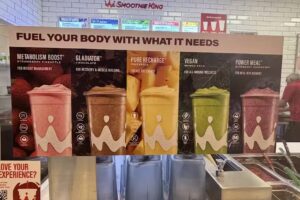
- Made-to-Order Smoothies: A staple for any business in this category, smoothies offer a more substantial meal replacement or snack. The menu would have likely featured a mix of fruit-based, green, and protein-packed smoothies, using bases like almond milk, coconut water, or yogurt, and offering add-ins like protein powder, chia seeds, flax, and nut butters.
- Wellness Shots: Concentrated 2-4 ounce servings of potent ingredients like ginger, lemon, cayenne, turmeric, or wheatgrass. These are popular for customers seeking a quick, powerful health kick.
- Light Food Options: To complement the beverage menu and increase revenue streams, many juice bars offer simple, healthy food. It's conceivable that Essential Juices Haas LLC also provided options like acai bowls, oatmeal, salads, or pre-packaged healthy snacks.
The Potential Strengths and Customer Appeal
For the time it was open, Essential Juices Haas LLC would have appealed to a growing demographic of consumers actively seeking out healthy options. The primary advantage of a local smoothie shop is its ability to deliver a product that is perceived as pure, clean, and beneficial for the body. Customers would have been drawn to the idea of consuming freshly prepared drinks made from organic ingredients, free from the preservatives and added sugars common in mass-market beverages.
A key selling point would have been customization. Unlike pre-bottled juices, a counter-service model allows customers to tailor their drinks to specific dietary needs or taste preferences, an important factor for those with allergies or particular health goals. The business also had the potential to become a neighborhood hub for the Westville community, a place where regulars could stop by for their morning green juice or a post-workout smoothie. Friendly, knowledgeable staff who could explain the benefits of different ingredients could have created a loyal customer base that valued both the product and the personal interaction.
The Inherent Challenges and Potential Downsides
Despite the strong appeal, operating a successful New Haven juice bar comes with a formidable set of challenges that may have contributed to the closure of Essential Juices Haas LLC. The business model, while conceptually simple, is fraught with economic and logistical hurdles. One of the most significant is the high cost of goods. Sourcing fresh, high-quality, and potentially organic ingredients is expensive, and the perishable nature of produce leads to a constant battle against waste. This directly translates to premium pricing, which can be a barrier for many potential customers. A single 16-ounce cold-pressed juice can easily cost over $10, making it a luxury item rather than a daily habit for the average consumer.
Competition is another major factor. The health and wellness market is crowded, and while Essential Juices was a specialized entity, it still competed with cafes that serve smoothies, grocery stores with their own juice sections, and other established local and national chains. A small, independent business must work exceptionally hard to differentiate itself through superior quality, unique recipes, or outstanding customer service.
Furthermore, the location at 287 Blake Street in the Westville neighborhood, while serving a residential community, may have lacked the high foot traffic of a downtown commercial district. Businesses in such locations often depend heavily on becoming a destination and building a dedicated local following, which takes time and significant marketing effort. Without a steady stream of new customers, sustaining the business through seasonal lulls or economic downturns can be incredibly difficult. The operational intensity—requiring daily produce deliveries, extensive prep work, and constant cleaning of specialized equipment—also adds a layer of complexity and cost that can strain a small business owner.
Ultimately, while the story of Essential Juices Haas LLC remains largely unwritten in the public sphere, its existence points to the enduring appeal of fresh, healthy, and mindfully made food and drinks. Its closure is a quiet reminder of the significant challenges faced by small entrepreneurs in the demanding and competitive food service industry. For those who once frequented it, it may be remembered as a welcome source of wellness in the neighborhood, a place that, for a time, offered something vibrant and essential.