Jamba Southlake Town Square
BackJamba, formerly known as Jamba Juice, at its Southlake Town Square location, presented itself as a colorful, counter-serve chain focused on health-conscious offerings. The establishment aimed to provide a quick and convenient source of fruit smoothies, juices, and light bites for those seeking a nutritious boost. However, a closer look at its operations, customer feedback, and the ultimate permanent closure of this branch reveals a more complex picture. The brand, in general, has faced scrutiny regarding its marketing and ingredient transparency, which may have influenced consumer trust at a local level. For instance, the company has been involved in legal disputes over allegations of tricking consumers by marketing beverages as “whole fruit and vegetable smoothies” when they allegedly contain cheaper juice concentrates. Additionally, there have been consumer protection lawsuits concerning misleading discount advertisements. Such issues at a corporate level can often trickle down and affect the perception and success of individual franchises.
The Customer Experience: A Tale of Two Extremes
Customer reviews for the Jamba Southlake Town Square location paint a portrait of inconsistency. On one hand, many patrons reported overwhelmingly positive experiences, often highlighting the friendliness and enthusiasm of the staff. One customer fondly recalled two female employees who, despite apparent technical difficulties, maintained a cheerful and efficient service, making the visit a pleasure. This same patron praised the smoothies for making them feel healthy, indicating that the product itself, when delivered with good service, met expectations. Another glowing review came from a customer whose mood was completely turned around by an act of kindness from an employee. When a desired juice combo was unavailable due to a missing ingredient (carrots), the staff member not only recommended an amazing alternative but also provided a discount for the inconvenience. This level of proactive and thoughtful customer service left a lasting positive impression.
Conversely, a significant portion of the feedback points to severe deficiencies in professionalism and customer care. One particularly negative review detailed an instance where the staff failed to open the store on time, leaving customers waiting outside for 30 minutes past the scheduled opening time. The reviewer described the staff as lazy and uncommunicative, noting that a simple acknowledgment or allowing customers to wait inside would have constituted better service. Another customer reported an experience of being completely ignored by a rude employee who served customers that ordered after them and then left without ever making their order. These accounts suggest a systemic issue with staff training, motivation, and management at this specific location, leading to feelings of disrespect and frustration among customers.
Operational Inconsistencies and Staffing Issues
Several reviews hint at underlying operational problems. The previously mentioned incident of running out of carrots for a juice combo points to potential inventory management challenges. More critically, the story of a single employee, Amanda, often working alone for most of the day sheds light on possible understaffing. While this employee was praised for her knowledge, patience, and helpfulness, the reality of a single person running a busy counter-serve establishment is unsustainable. It inevitably leads to longer wait times and situations where the employee must briefly close the store for personal needs, which one customer unfairly criticized without considering the circumstances. This highlights a management failure to adequately staff the location, putting undue pressure on employees and negatively impacting the customer experience. The permanent closure of this location, and others in Texas and California, might be linked to the broader economic challenges of maintaining profitability with high inflation and a shrinking market for what some perceive as overpriced smoothies.
A Look at the Menu: Health-Focused or Deceptively Sweet?
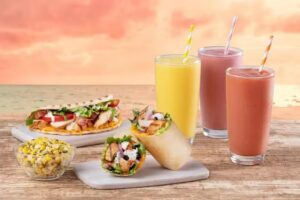
The core of Jamba's appeal lies in its menu of seemingly healthy juice options and fresh fruit smoothies. The brand positioned itself as a go-to for a nutritious pick-me-up. The menu featured a wide array of choices, from classic fruit blends like Strawberries Wild® and Mango-A-Go-Go® to more functional beverages like the Orange C-Booster™ and Protein Berry Workout™. They also offered smoothie bowls, such as the Acai Primo™ Bowl, and freshly squeezed juices, catering to a variety of dietary preferences and health goals. The editorial summary described the business as a "colorful counter-serve chain for health-focused fruit smoothies, juices & light bites," reinforcing this healthy image.
However, the health perception of Jamba's products is not without controversy. While they offer items with natural ingredients like kale, ginger, and fresh fruits, many of their popular smoothies contain sherbets, frozen yogurts, and juice blends that are high in sugar. This can be misleading for consumers who are strictly looking for low-sugar, whole-food options. The calorie counts for some smoothies, like the Peanut Butter Moo'd®, can be quite high, rivaling those of less healthy fast-food milkshakes. The class-action lawsuit alleging that Jamba uses juice blends made from concentrate rather than whole fruits further complicates the brand's health claims. For a potential customer, this means that navigating the menu requires careful attention to the specific ingredients to ensure the chosen item aligns with their personal health objectives.
What Went Wrong in Southlake?
While the provided information does not state the explicit reason for the permanent closure of the Jamba Southlake Town Square location, the collection of customer experiences and broader company context allows for an informed analysis. The stark contrast between excellent and terrible customer service suggests a significant management and staffing problem. Inconsistent service is a major deterrent for repeat business. When customers don't know if they will be greeted with a smile or with indifference, they are less likely to choose that establishment. The operational issues, such as ingredient shortages and potential understaffing, further compounded this problem.
Furthermore, the competitive landscape for juice shops and healthy food options is fierce. Consumers have many choices, and a business with inconsistent service and potentially misleading product claims will struggle to retain its customer base. The general trend of Jamba locations closing in various states suggests that the business model, which relies on selling premium-priced smoothies, may be facing challenges in the current economic climate where consumers are more price-conscious. Ultimately, the story of the Jamba in Southlake Town Square serves as a case study in the importance of consistent, high-quality customer service and operational stability. While the brand offered a product that many enjoyed, the failure to reliably deliver a positive experience likely contributed to its eventual and permanent closure.