Clean Juice
BackThis particular Clean Juice location at 1051 Heights Blvd in Houston is now permanently closed, marking the end of what was, for a time, a popular destination for health-conscious consumers. As a franchise of a brand known for being a USDA-certified organic juice bar, it entered the market with a strong promise of quality and clean eating. An examination of its tenure reveals a business that excelled in some areas while facing significant challenges in others, offering a compelling look into the highs and lows of its operation.
The Bright Side: Ambiance, Quality, and Service at its Peak
When this Clean Juice location was performing well, it was highly regarded by its patrons. Many customers were drawn to its environment, which was consistently described as impeccably clean, airy, and filled with natural light. This created a welcoming and positive vibe that made you feel good just by walking in. The space was thoughtfully designed with both indoor seating and outdoor tables complete with umbrellas, providing options for patrons to relax and enjoy their purchases.
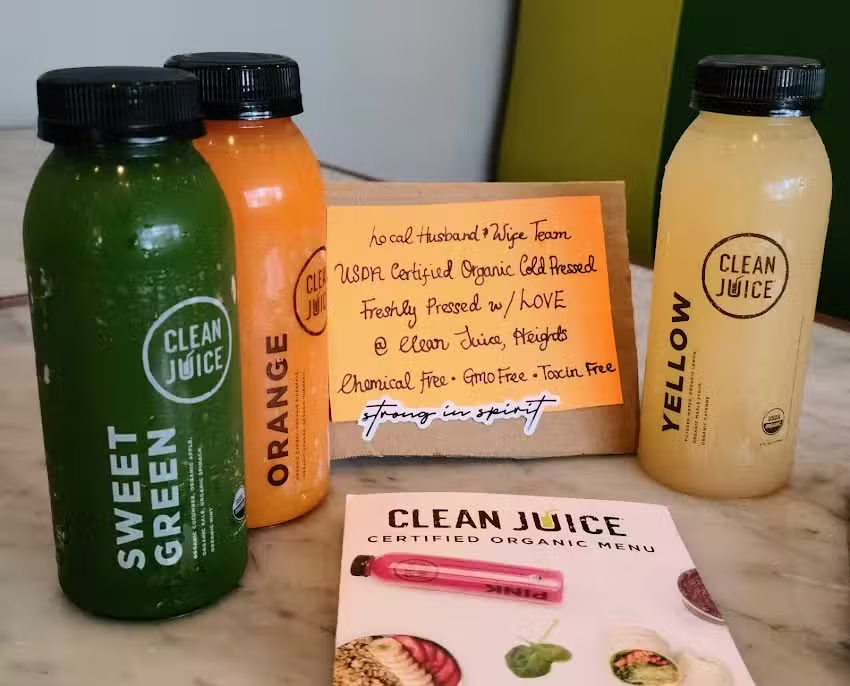
The core of its appeal was, of course, the menu. Clean Juice offered a wide array of products designed to cater to a healthy lifestyle, including healthy smoothies, salads, wraps, and various toasts. However, the stars of the show were undoubtedly the organic juice and açaí bowls. Early reviews suggest that the quality was exceptional. One customer, in their initial experiences, lauded the cold-pressed juices as the best in Houston, attributing the superior taste to the freshness and organic nature of the ingredients. The açaí bowls were also a highlight, with patrons praising their perfect consistency and delicious taste. The menu was diverse enough to have something for everyone, from a spicy "yellow" juice with a cayenne kick to satisfying almond butter toast.
Exceptional customer service was another cornerstone of its early success. Staff members were often described as sweet, helpful, and charismatic. One employee, Alicia, was singled out for being not only welcoming and knowledgeable but also for proactively informing customers about the company's rewards app to enhance their experience. These positive interactions, including occasional acts of kindness like a free menu item, built a loyal customer base and contributed to the store’s high ratings.
Signs of Trouble: Inconsistency and Operational Failures
Despite its strong start, the business began to show signs of significant operational issues over time. The most damaging criticism centered on a decline in the quality of its flagship products. The same customer who once praised the cold-pressed juices as the best in the city later provided a starkly contrasting update. They described the juices as having deteriorated, becoming harsh in taste and having a watered-down consistency. This dramatic drop in quality suggested that the meticulous standards that defined the brand were no longer being met, a critical failure for a premium-priced fresh juice establishment.
These product inconsistencies were compounded by serious problems with staff knowledge and inventory management. One of the most telling accounts involved a customer attempting to purchase a two-day juice cleanse. The staff on duty were unfamiliar with the company's own cleanse packages, unable to identify what the 'Energy' combo was without referencing the menu. This lack of basic product knowledge is a major red flag for any specialized retailer.
The Juice Cleanse Fiasco
The issues went beyond a simple lack of training. The store did not have the necessary juices in stock to fulfill the cleanse order. The customer was asked to return the next day, only to find that the situation had not been resolved. A key juice from the cleanse package—the popular cacao blend—was still unavailable. The customer was forced to accept a substitute to begin their cleanse as planned but was still charged the full price for an incomplete and compromised product. This experience points to a breakdown in multiple areas: inventory control, staff training, and customer satisfaction protocols. For a business charging premium prices (indicated by its price level), such failures are often unforgivable and can quickly erode customer trust and loyalty.
A Look at the Broader Context
While the specific reasons for this location's closure are not public, the customer experiences align with broader challenges faced by the Clean Juice franchise. Recent reports indicate that the parent company has been dealing with significant supply chain disruptions after losing a major distribution contract, which impacted franchisees' ability to get proprietary juices and other essential supplies. Nearly half of the chain's locations have closed or rebranded in the last couple of years, suggesting that the problems experienced at the Heights Blvd store—like inventory shortages and potential quality control issues—may have been part of a larger, systemic problem. The brand's promise of high-quality, USDA-certified organic products is difficult to maintain without a robust and reliable supply chain and consistently well-trained staff.
The story of the Clean Juice on Heights Blvd is one of unfulfilled potential. It began with a clear vision: to provide a clean, welcoming space for Houstonians to enjoy high-quality, organic, and delicious healthy options. For a time, it succeeded brilliantly, earning praise for its atmosphere, its tasty açaí bowls and smoothies, and its friendly service. However, a subsequent decline in product quality, coupled with significant operational failures in staff knowledge and inventory management, ultimately tarnished its reputation. This now-closed establishment serves as a reminder that in the competitive food and beverage industry, a strong brand concept is not enough; consistent execution and a commitment to quality in every transaction are paramount to long-term success.