Alma Juice Bar + Market
BackAlma Juice Bar + Market, formerly located at 2 Main Street in the historic Wickford area of North Kingstown, is a business that now exists only in the fond memories of its patrons. Though permanently closed, its story offers valuable insight into what makes a local eatery both cherished and challenging. For a time, it was a notable destination for those seeking high-quality, health-conscious food, carving out a niche with its combination of a juice bar, a gourmet sandwich counter, and a curated market of local goods.
The Culinary Highlights: What Alma Did Right
The most consistent praise for Alma Juice Bar + Market centered squarely on its food, particularly its sandwiches. These were not standard deli fare; they were thoughtfully constructed creations that garnered rave reviews. Multiple customers pointed to the sandwiches as the primary reason for their loyalty. The Turkey Club, for instance, was described by one patron as the single best sandwich they had ever consumed. Others highlighted the Reuben and specialty seasonal offerings like the "Friendsgiving" sandwich, suggesting a menu that was both reliable and creative. The foundation of these acclaimed sandwiches was often an herbed focaccia bread, a detail that did not go unnoticed and was frequently cited as a key component of their excellence. Offerings like the muffuletta and a burrata, tomato, and pesto sandwich further solidified Alma's reputation as a top-tier lunch spot, with one customer revising their review upwards to declare them the "best sandwich in Wickford and beyond."
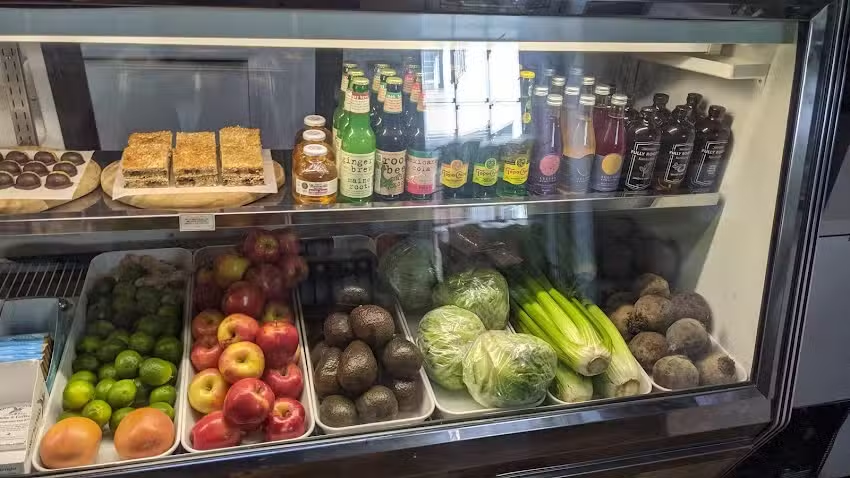
Beyond the sandwiches, Alma lived up to its name as a premier juice bar. The establishment provided a refreshing alternative for those in search of healthy smoothies and fresh juices. While specific juice blends aren't detailed in customer feedback, the overall impression was one of freshness and quality. The coffee program was also a point of interest. Alma served specialty drinks like an iced cardamom latte and a mushroom mocha, catering to a clientele with more adventurous palates. This commitment to unique beverage options, including a variety of non-dairy milks, positioned Alma as a modern cafe, not just a simple sandwich shop. The bakery case also received significant acclaim, with the olive oil cake being described as something "to die for." Crucially, Alma offered a range of vegan options and gluten-free choices, such as a dense, fudgy brownie that defied the often-dry stereotype of gluten-free baked goods. This inclusivity made it a safe and appealing spot for customers with dietary restrictions.
A Market with a Mission
The "Market" aspect of Alma's name was not an afterthought. The small retail space was described as "pristine" and was dedicated to a curated selection of local and specialty foods. This included items like Rhode Island maple syrup, allowing customers to support other local producers while picking up their lunch. This focus on local sourcing and community was a significant positive. Furthermore, the business was lauded for its commitment to sustainability. One reviewer passionately noted the use of sustainable packaging, viewing it as a forward-thinking practice, especially for a business in a coastal neighborhood vulnerable to the effects of climate change. This ethical stance resonated with customers who prioritize environmental responsibility in their purchasing decisions.
Challenges and Criticisms: The Other Side of the Coin
Despite the glowing reviews of its food, Alma Juice Bar + Market was not without its flaws. A recurring theme in customer feedback was the price point. Several patrons experienced "sticker shock," with one noting that a specialty iced latte with oat milk cost over $8. While many were willing to pay a premium for the quality, the high prices could be a barrier for some, positioning Alma as more of a special treat than a daily habit. This pricing structure, while reflective of high-quality ingredients, may have limited its accessibility to a broader customer base.
Operational communication and logistics also presented challenges. One customer was frustrated by the lack of a comprehensive online menu, which made it difficult to know about their lunch offerings without visiting in person or relying on word-of-mouth. Another detailed a specific instance of miscommunication where they were incorrectly told a drink component was sugar-free, leading to a beverage that was too sweet for their taste and a nearly $10 expense on an item they didn't enjoy. While likely an honest mistake, such incidents can erode trust and mar the customer experience.
Physical and Accessibility Limitations
The physical space itself posed several problems. The interior was quite small, which could lead to a cramped environment during peak hours. More significantly, the business model seemed to rely heavily on outdoor seating. This was pleasant in the summer but raised practical questions about its viability during New England's colder months, effectively turning it into a takeout-only establishment for a large portion of the year. Perhaps the most critical shortcoming was the lack of wheelchair accessibility. This is a major issue that would have prevented potential customers with mobility challenges from ever experiencing what the establishment had to offer, limiting its ability to serve the entire community.
A Concluding Look at a Closed Establishment
Alma Juice Bar + Market was, by many accounts, a local gem and a "tiny powerhouse." It successfully delivered on its promise of high-quality, delicious, and often healthy food. Its sandwiches were legendary in the local scene, and its commitment to sustainable practices and support for other local producers set a positive example. However, its success was tempered by significant challenges, including premium pricing, occasional service hiccups, and major physical limitations like its small size and lack of accessibility. While it is no longer in operation, its story serves as a compelling case study. It demonstrates that while exceptional product quality is paramount, factors like price, communication, and physical accessibility are equally crucial for the long-term sustainability of a beloved local business.