
Apura Juicery & Vegan Kitchen
BackApura Juicery & Vegan Kitchen was an establishment in Boca Raton that aimed to capture the growing demand for healthy, plant-based cuisine. Now permanently closed, its story offers a compelling look at the rise and fall of a specialized eatery, marked by early praise for its innovation and a subsequent decline fueled by operational inconsistencies. For a time, it was a notable destination for those seeking a dedicated vegan kitchen, offering an array of thoughtfully crafted food and beverages.
In its prime, Apura garnered significant positive attention. It was celebrated for a menu that went beyond simple salads and juices, providing creative and satisfying vegan alternatives to mainstream dishes. Patrons frequently praised items that demonstrated culinary skill, such as the beet burger and a surprisingly delicious vegan chili. One of the most talked-about offerings was the vegan sushi, with some customers highlighting a "tuna-less pate" that was rolled with crisp vegetables in raw nori. This inventiveness showed a commitment to making plant-based food both accessible and exciting. The establishment put a clear emphasis on quality ingredients and visually appealing presentation, which initially set it apart from competitors.
The Celebrated Menu and Ambiance
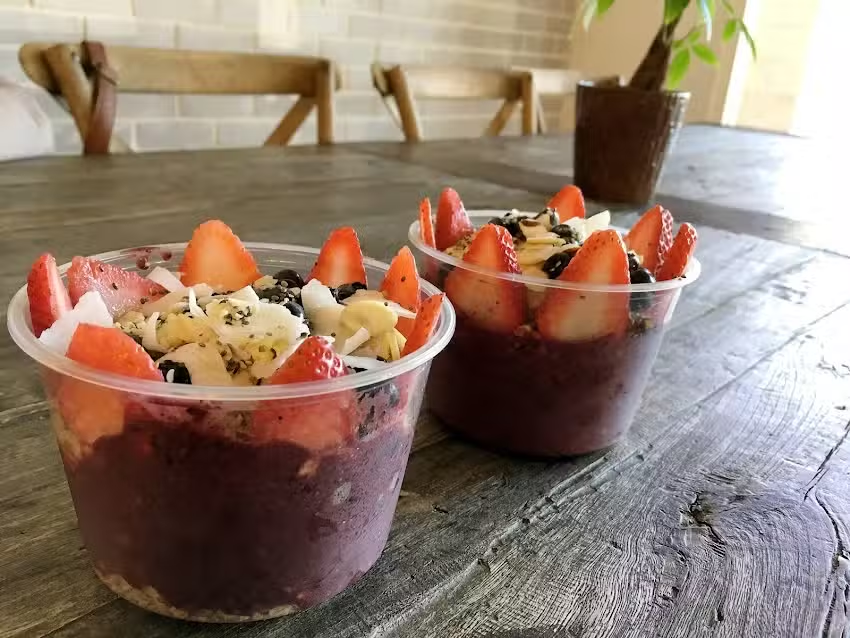
The core of Apura's appeal was its diverse and health-conscious menu. The juice shop was known for its cold-pressed juices, with unique combinations like the "Sweet Heart" (carrots, red beet, celery, spinach, apple, lemon, ginger) and the "Flyin' Hawaiian" (kale, pineapple, cucumber, coconut water). Beyond beverages, the food menu was extensive. Early reviews from 2015 lauded the raw oatmeal—served cold with apples, blueberries, dates, and almond mylk—as an unexpectedly standout dish that kept customers coming back. Other popular items included creative wraps using collard greens, nut-based "cheezy" kale salads, and what many considered the best acai bowls in town. The focus was on whole, minimally processed ingredients, and the business proudly stated that its kitchen was free of dairy, GMOs, soy, and gluten.
The atmosphere was described as a "chic cafe," with a modern aesthetic featuring white countertops, crystal chandeliers, and rustic wooden tables. This created a welcoming environment that felt more upscale than a typical health food stop. In the beginning, the staff was often described as friendly, contributing to a positive customer experience and building a loyal local following who were excited to see the menu expand.
Signs of Decline: Service and Consistency Issues
Despite a strong start, the business began to show significant cracks in its operation. Later reviews painted a starkly different picture, one of a business struggling with fundamental aspects of customer service and quality control. A recurring and severe complaint was the drastic decline in service. Customers reported being completely ignored by staff, who were sometimes seen chatting amongst themselves or focusing on other tasks, like inventory, while patrons waited at the register. The wait times became another major point of contention, with one user recounting a 45-minute wait for a single drink, an unacceptable delay for a counter-service establishment.
This operational disarray extended to the food and overall value proposition. Customers who had once been loyal fans noted a sharp drop in quality. A frequently cited example was the avocado toast, which reportedly went from being served on a substantial, fluffy piece of rye bread to a small, thin slice that felt like a poor value. This perception of cost-cutting was further reinforced by complaints about low-quality to-go packaging, such as acai bowl containers without proper lids that made takeout orders difficult. These seemingly minor details contributed to a growing sense that the business was prioritizing saving money over customer satisfaction.
Contradictory Pricing and Menu Changes
While the business was categorized with a low price level, many customers felt it was "extremely overpriced." The price point of $12.50 for a smoothie was a common grievance, suggesting a significant disconnect between the cost and the perceived value, especially as service and quality waned. This friction was compounded by abrupt and unpopular menu changes. Patrons lamented the removal of some of the most beloved items, including the vegan mac and cheese, pizza, and waffles. These decisions alienated a portion of the customer base that had been drawn to Apura for these specific, innovative dishes.
The combination of these factors—poor service, declining food quality, high prices, and the removal of popular items—created a cascade of negative sentiment. What began as a promising and chic organic juice bar with a unique culinary vision ultimately faltered. The experience of Apura Juicery & Vegan Kitchen serves as a lesson in the restaurant industry: initial creativity and a strong concept are not enough to sustain a business. Consistent execution, attentive customer service, and maintaining a high standard of quality are paramount for long-term success. While it is now permanently closed, its history remains a point of reference for the vibrant but competitive health food scene in the area.