
Juice Press
BackThe former presence of Juice Press at 93 Main St in Southampton is a story of a brand's ambitious promise meeting a challenging operational reality. While the storefront is now permanently closed, an examination of its time in business provides valuable insight for consumers navigating the landscape of health-focused eateries. Juice Press positioned itself nationally as a premium, USDA-certified organic chain, a destination for those seeking high-quality, plant-based nutrition. However, the experience at this specific location was marked by a significant divide between the brand's marketing and the day-to-day customer experience, which ultimately reflects the broader corporate struggles that led to the company's bankruptcy filing and widespread closures.
The Intended Experience: A Hub for Healthy Living
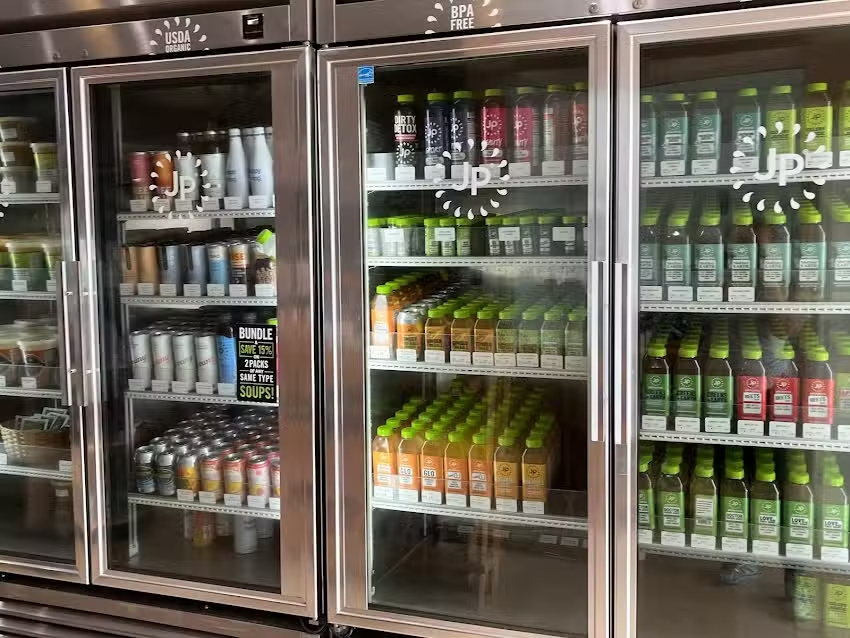
On paper and during its best moments, the Southampton Juice Press was designed to be a haven for the health-conscious. The brand's core identity revolved around offering a vast menu of genuinely healthy and often innovative products. This wasn't just a simple smoothie shop; it was a comprehensive source for a wellness-oriented lifestyle. The offerings included a wide range of cold-pressed juice, specialized healthy smoothies with unique ingredients like blue spirulina, and comprehensive juice cleanse programs designed for detoxification and nutritional resets.
Early experiences at the location seemed to align with this vision. Some customers found exactly what they were looking for: delicious and clean-tasting smoothies, like the Blue Magic or Cacao Blueberry, that felt both indulgent and nourishing. The store also stocked a variety of grab-and-go vegan options, from vegetable broths and hearty chili to unique snacks like "Sin-O-Buns." For a time, it successfully catered to a clientele willing to pay a premium for convenience and high-quality, organic ingredients. This initial success demonstrated the strong market demand for a reliable and sophisticated organic juice bar.
A Pattern of Discontent: Where Things Went Wrong
Despite its promising concept, a significant number of customer accounts painted a picture of a business in decline. The issues were not isolated incidents but recurring themes that pointed to systemic problems in management, training, and quality control. These problems can be broken down into two critical areas: severely lacking customer service and a disturbing inconsistency in product quality.
The Customer Service Collapse
For any retail establishment, but especially one in a high-end market, customer service is paramount. This is where the Southampton Juice Press appeared to falter most profoundly. Multiple reviews describe staff who were disengaged, uncommunicative, and projected an attitude of indifference. Reports of employees sitting on the floor engrossed in their phones, failing to greet or even acknowledge customers for minutes at a time, became a common complaint. Patrons who were smiling and friendly felt they were met with "moody faces" and a lack of basic manners, making the simple act of ordering a smoothie feel like an inconvenience to the staff. This created an unwelcoming atmosphere that actively discouraged repeat business. When one employee is consistently cited for poor service and making watery smoothies against customer requests, it points to a management failure to enforce brand standards.
Inconsistent and Subpar Product Quality
Even more damaging for a food establishment was the decline in the quality of the products themselves. A premium juice shop lives and dies by the freshness and integrity of its ingredients, and here, the evidence suggests a significant betrayal of the brand's core promise.
- Watered-Down Smoothies: The most frequent product complaint was about smoothies that were thin and watery. This is a fundamental failure for an establishment specializing in them and suggests either improper training, ingredient skimping, or both.
- Ingredient Substitutions: One of the most telling criticisms involved the use of "almond milk powder" and water from a plastic jug instead of fresh almond milk. For a brand that built its reputation on pure, organic, and unprocessed ingredients, this substitution is a critical breach of trust. It suggests a cost-cutting measure that directly undermines the entire health premise of the product.
- Menu Failures: The kitchen also struggled with basic menu items. An order for a matcha latte resulted in a drink described as tasting like blended leaves, bearing no resemblance to actual matcha. This indicates a profound lack of knowledge or care in preparation. Furthermore, the store was unable to provide staple options that customers would expect, such as peanut butter for smoothies or fresh fruit toppings for acai bowls, despite displaying imagery that suggested such ingredients were available.
This cascade of issues, from poor service to compromised ingredients, created a deep disconnect. Customers were being asked to pay premium prices for an experience that was decidedly subpar. The expectation was a fresh, vibrant, and welcoming organic juice bar, but the reality was often a frustrating encounter with a disappointing product.
Corporate Context and Final Closure
The problems at the Southampton location did not occur in a vacuum. The parent company, Juice Press, faced significant financial headwinds, culminating in a bankruptcy filing in 2023. The issues reported locally—declining quality, staff disengagement, and ingredient substitutions—are classic symptoms of a company under severe financial distress, likely cutting costs on labor, training, and supplies. The closure of the Southampton store was part of a broader corporate restructuring that saw dozens of locations shuttered. While the local performance issues undoubtedly made it a prime candidate for closure, it was also a casualty of a larger corporate failure to maintain its own brand standards across its entire operation.
Lessons from a Closed Juice Bar
The story of the Juice Press in Southampton serves as a cautionary tale. It highlights that a strong brand concept and a prime location are not enough for success. Consistent execution is key. When the in-store experience directly contradicts the marketing message, customer trust evaporates. The demand for high-quality healthy food, fresh fruit smoothies, and reliable vegan options remains strong, but businesses must deliver on their promises consistently. For the former patrons of 93 Main St, the search continues for an establishment that can match a premium promise with a premium experience.