
Boba Loca
BackOnce a fixture in Westwood Village, Boba Loca at 10946 Weyburn Ave served as a convenient and often bustling spot for students and locals seeking a boba tea fix. Though this location is now permanently closed, having been replaced by another business, its tenure in the neighborhood left a distinct impression, marked by a unique atmosphere, a wide-ranging menu, and notable inconsistencies that defined its customer experience. For years, it was a go-to bubble tea shop in a competitive market, catering heavily to the nearby UCLA student population.
A Menu of Broad Appeal and Curious Flavors
Boba Loca's primary draw was its extensive and sometimes unconventional menu. Beyond the standard offerings of milk tea and fruit-infused green teas, the shop ventured into more creative territory. Patrons could find boba milkshakes, with flavors like chocolate chip mint standing out as a memorable and well-liked option. This willingness to experiment provided a point of differentiation from other local competitors. The menu also included a variety of smoothies, offering alternatives for those not in the mood for tea. This diversity ensured that it could function as a versatile juice bar of sorts, catering to a wide array of tastes.
Furthermore, the value proposition was a significant factor in its popularity. Customers noted that large-sized drinks were affordable and came with a generous portion of tapioca pearls. For a student-heavy clientele, this combination of price and portion size was a major advantage. Some reviews even highlighted the simple pleasure of getting freshly cooked boba if you timed your visit right, enhancing the texture and flavor of the drink. To supplement its beverage offerings, Boba Loca also sold a curious mix of snacks like grilled cheese, instant ramen, and Odwalla bars, leaning into its role as a convenient stop for a quick, casual bite.
Atmosphere: A Cozy Study Nook with Caveats
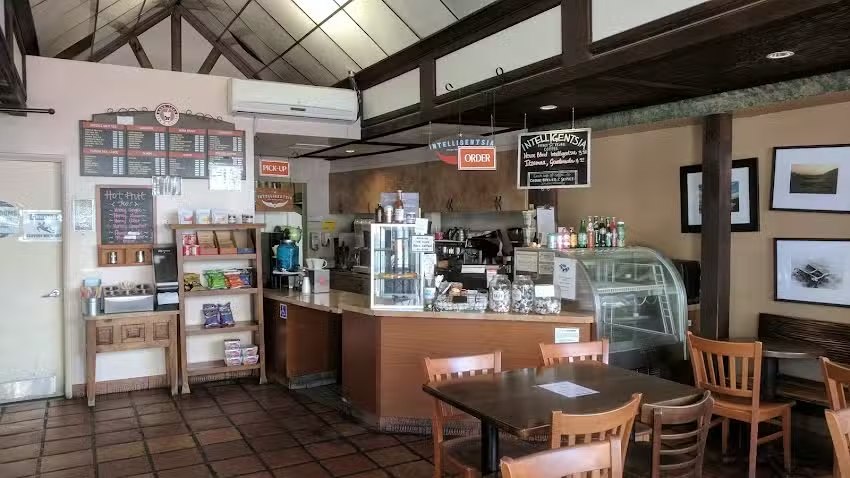
The interior of Boba Loca cultivated a specific charm, often described by visitors as having a cozy, "old-timey bookstore vibe." This created a welcoming environment that encouraged customers to linger. It became a popular spot for students to sit with a laptop and work on assignments, transforming the café into an informal study hall. The small, intimate setting was part of its appeal, offering a relaxed daytime retreat from the busy streets of Westwood. One former patron fondly recalled the presence of Jenga sets, with messages written on the blocks by previous customers, adding a quirky and interactive element to the space.
However, this cozy atmosphere was a double-edged sword. As a popular hangout, the shop could quickly become loud and crowded, undermining its utility as a quiet place to study. The limited space meant that finding a seat during peak hours was a challenge, and the noise level could be distracting. This duality made the experience somewhat unpredictable; what was a peaceful café one moment could turn into a noisy social hub the next.
Inconsistent Service and a Common Complaint
The most significant issues reported by customers revolved around service and the product itself. Experiences with staff varied dramatically depending on the time of day. Daytime employees were frequently praised for being friendly, efficient, and helpful, willing to guide customers through the extensive menu to find the perfect drink. This positive interaction contributed to the welcoming daytime atmosphere.
In stark contrast, at least one detailed account described the nighttime service as exceptionally poor. A review mentioned a specific male employee during a late shift who was reportedly rude and confrontational with customers, creating a tense and unpleasant environment. This inconsistency in customer service is a serious drawback for any establishment, as it makes it difficult for patrons to know what to expect. The stark difference between a positive daytime experience and a negative nighttime one suggests a potential management or training issue that impacted the shop's overall reputation.
Another recurring piece of feedback concerned the sweetness of the drinks. Multiple customers across different reviews pointed out that the beverages, particularly the milk teas, were often "too sweet" or "too sugary." This suggests that the default recipes leaned heavily on sugar, and there may not have been easily accessible options to customize the sweetness level—a standard feature in many modern boba shops. For patrons mindful of sugar intake or those who prefer a more balanced tea flavor, this was a consistent disappointment and a notable flaw in their product offering. This is a common challenge in the world of healthy drinks, where consumer preferences for sweetness can vary widely.
Legacy in Westwood
Boba Loca's time on Weyburn Avenue has concluded, and the space has since been occupied by other ventures. Its story is a telling example of the challenges of operating in a dense, competitive market like Westwood, which is filled with options for students and residents. It succeeded in creating a memorable, cozy spot with an inventive menu and affordable prices. However, it was ultimately held back by critical inconsistencies in service and a product that didn't always meet customer preferences regarding sweetness. While it is no longer an option for those seeking fresh juices or tea, Boba Loca remains a part of Westwood's recent history—a place that, for a time, offered a unique, if flawed, experience for its community.