Juice Press
BackThe story of the Juice Press location at 1409 Broad Street in Bloomfield is a notable, albeit brief, chapter in the area's health food scene. This establishment, part of a well-known national chain, is now permanently closed, leaving behind a mixed legacy based on the limited public feedback available. As a brand, Juice Press built its reputation on offering a wide array of USDA-certified organic products, positioning itself as a premium destination for the health-conscious consumer. However, the operational reality of the Bloomfield branch appears to have fallen short of the brand's polished image.
Situated within a ShopRite, the location was intended to provide a convenient 'grab-and-go' solution for shoppers looking for nutritious options. The concept was strong: leverage the foot traffic of a major supermarket to sell high-quality, plant-based foods. Unfortunately, the customer experience was marred by significant operational flaws, which ultimately may have contributed to its closure.
The Brand Promise: High-Quality, Organic Nutrition
Juice Press as a company prides itself on a commitment to quality and transparency. Founded in 2010, the chain expanded rapidly by catering to a growing demand for clean, plant-based nutrition. Their menu is extensive and designed to appeal to a variety of dietary needs, with a strong focus on vegan and gluten-free items. Key offerings that were available at the Bloomfield location included:
- Cold-Pressed Juice: This is the cornerstone of the Juice Press brand. Unlike traditional centrifugal juicers, cold-pressing involves slowly grinding and pressing produce to extract juice without generating heat, which helps preserve vitamins, minerals, and enzymes. Popular options often include deep green juices like "Mother Earth," which packs several pounds of greens into one bottle, and other fruit and vegetable blends.
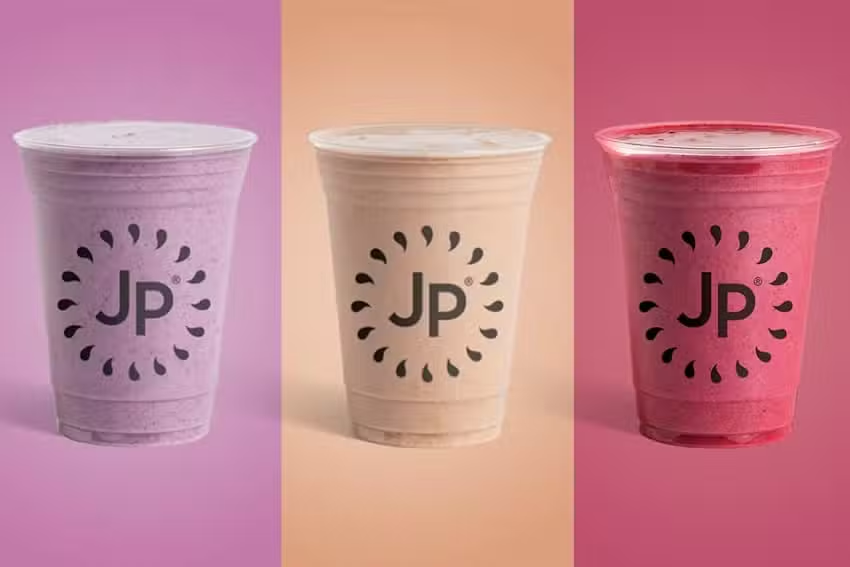
- Organic Smoothies: Made-to-order smoothies were a major draw, featuring complex ingredient lists with superfoods like blue spirulina, maca, and plant-based protein powders. These were positioned not just as treats, but as functional, nutrient-dense meal replacements.
- Acai Bowls: A staple in any modern juice bar, these bowls offered a substantial meal option, typically blended with fruits and topped with ingredients like granola, fresh berries, and nut butters.
- Vegan Snacks and Meals: Beyond beverages, Juice Press offered a range of pre-packaged healthy food options, including raw oatmeal, salads in a jar, soups, and other plant-based meals, making it a one-stop-shop for a full day of clean eating.
- Juice Cleanse Programs: For the more dedicated wellness enthusiast, the brand offered curated juice cleanse packages designed for detoxification and nutritional resets.
The price point, noted as moderate (level 2), reflects the high cost of organic ingredients. A single bottle of juice or a smoothie could easily exceed ten dollars, placing it in a premium category. For this price, customers rightfully expect not only a superior product but also superior service and reliability.
The Reality at Bloomfield: A Tale of Disorganization
Despite the strong brand concept, the execution at the 1409 Broad Street location appears to have been deeply flawed. With a very low total of user ratings, the most detailed review paints a picture of a business that struggled with the basics. A one-star review from a customer highlights a critical failure point for any food establishment, especially one targeting the morning rush: inaccurate operating hours.
The customer reported arriving at 7 a.m., the advertised opening time, only to find the store closed. They were later informed it didn't open until 9 a.m. This discrepancy is more than a minor inconvenience. A juice shop's key demographic often includes individuals seeking a healthy start to their day before work or after a gym session. An unreliable opening time alienates this core audience immediately. The review further noted that even the main supermarket's customer service desk was unaware of the correct hours, pointing to a systemic issue of disorganization and poor communication. The experience was summarized as "Disorganized and disappointing," a damaging verdict for any service-based business.
While another customer left a five-star rating without any text, the weight of the detailed negative feedback is significant. It suggests that while the product itself might have been satisfactory to some, the operational management was a serious detriment. This type of inconsistency is often a symptom of larger issues, whether related to staffing, training, or franchisee oversight. Interestingly, reviews for other Juice Press locations have sometimes mentioned similar problems with inconsistent hours and staffing issues, suggesting this may be a recurring challenge for the brand in some of its outlets.
What Went Wrong?
The failure of the Bloomfield Juice Press cannot be attributed to a single factor, but the available information points to a critical disconnect between the brand's premium promise and the on-the-ground reality. For a business charging premium prices, every detail of the customer experience matters. Reliability is paramount. A customer who makes a special trip for a fresh juice only to find the doors locked is unlikely to return.
Furthermore, the health and wellness market is highly competitive. The Bloomfield area and its surroundings have other established juiceries and healthy eateries. In such an environment, businesses that fail to meet basic expectations are quickly left behind. The low volume of reviews for this location also suggests it failed to build a loyal customer base or generate significant buzz during its period of operation.
The Juice Press at 1409 Broad St is a closed chapter. It aimed to bring a nationally recognized brand for organic smoothies and cold-pressed juice to a convenient supermarket setting. The concept was sound, backed by a product line generally praised for its quality ingredients. However, the venture was undermined by what appears to be severe operational mismanagement, exemplified by unreliable hours and poor internal communication. The limited but pointed customer feedback suggests an experience that was frustrating and failed to live up to the high standards implied by its brand and price point. While health-conscious consumers in the area may have initially welcomed its arrival, the establishment's inability to deliver a dependable service ultimately led to its permanent closure, serving as a case study in the importance of operational excellence in the competitive food retail industry.