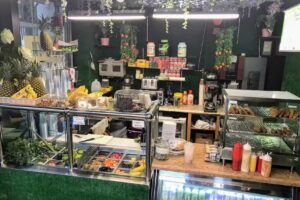
Pittsburgh Juice Co @ Steel Valley Roasters – Homestead
BackThe concept was undeniably brilliant: a dedicated outpost of the Pittsburgh Juice Company situated within a dynamic hub that already housed Steel Valley Roasters and Local Motion Fitness. This satellite location, now permanently closed, represented a strategic move to place high-quality, nutritious products directly in the path of its ideal customers. For a time, 207 E 8th Ave in Homestead was a one-stop shop for wellness, where one could finish a workout or grab a coffee and seamlessly add a nutrient-dense beverage to their routine. While the physical presence is gone, an analysis of what this juice shop offered and the challenges it likely faced provides a valuable snapshot of a promising but ultimately unsustainable venture.
The parent company, Pittsburgh Juice Company (PJC), built its reputation on a foundation of quality and wellness, principles that undoubtedly extended to its Homestead branch. Founded in 2013 by Naomi and Zeb Homison, PJC's mission was to create a reliable source for accessible nutrition. They specialize in products that are not just healthy but conscientiously crafted, focusing on organic, unprocessed, plant-based foods. This commitment translated into a menu of vibrant, raw, cold-pressed juice, superfood smoothies, and raw-vegan delicacies made fresh daily. Customers of the brand have long praised the use of seasonal, locally sourced ingredients and the company's dedication to sustainability, such as using reusable glass bottles. It's reasonable to assume this same ethos was present in the Homestead location, offering a powerful value proposition to the health-conscious patrons of the co-located fitness center.
The Synergy and The Strengths
The primary advantage of this location was its built-in audience. Placing a juice bar next to a gym is a classic and effective strategy. After a strenuous workout, the appeal of a refreshing, replenishing, and healthy drink is incredibly high. The convenience factor cannot be overstated; gym members didn't need to make a separate trip to refuel. They could grab a protein-packed smoothie or a detoxifying green juice just steps away from the treadmill. This symbiotic relationship likely created a steady stream of initial interest.
Furthermore, the partnership with Steel Valley Roasters added another layer of appeal. It catered to a broader audience that might not have been coming for a workout but was seeking a high-quality beverage. A customer could choose between a robust coffee and a vibrant fresh juice, or even enjoy both. This created a unique wellness destination that catered to different tastes and needs, from the dedicated fitness enthusiast to the remote worker seeking a healthy lunch alternative. The offerings would have been diverse, based on PJC's main menu, which includes everything from highly alkaline green juices for a deep detox cleanse to delicious cashew mylk-based smoothies and potent wellness shots.
Potential Product Highlights
Based on the core offerings of Pittsburgh Juice Company, patrons at the Homestead location would have had access to a premium menu. The products are designed to be both delicious and functional, with a clear focus on health benefits. A typical selection would have likely included:
- Organic Cold-Pressed Juices: Formulas designed to be alkaline, nutritious, and low in sugar. These are the cornerstone of the PJC brand, featuring combinations of vegetables and fruits aimed at detoxification and nutrient delivery.
- Superfood Smoothies: Blends featuring ingredients like Blue Majik spirulina, house-made cashew mylk, and various proteins, designed as meal replacements or post-workout recovery aids.
- Wellness Elixirs and Shots: Concentrated doses of ingredients like ginger, turmeric, and cayenne to boost immunity and reduce inflammation.
- Raw Vegan Snacks: To complement the beverages, PJC also offers a variety of raw and vegan eats, both sweet and savory, providing a complete, healthy meal option.
The Inherent Challenges and Eventual Closure
Despite the strategic brilliance of its location and the quality of its products, the permanent closure of this branch points to significant underlying challenges. The most apparent hurdle for any premium organic juice company is the price point. Crafting juices from high-quality, organic, and often locally sourced produce is an expensive endeavor. The cost of cold-pressing equipment, fresh ingredients, and sustainable packaging like glass bottles inevitably leads to a product that is significantly more expensive than mass-market alternatives. While dedicated wellness consumers may understand and accept this cost, it can be a barrier for the average customer, even one who frequents a gym or a specialty coffee shop.
Another significant challenge is the nature of being a business-within-a-business. While it provides a captive audience, it can also lead to issues with visibility and brand identity. Was the Pittsburgh Juice Co's presence clearly marketed, or was it seen merely as an add-on to the coffee shop? Signage, marketing, and distinct operational hours all play a role. If the juice counter was perceived as secondary to the primary businesses, it may have struggled to build its own loyal customer base beyond the initial convenience buyers.
The operational complexities of a juice bar are also formidable. The reliance on fresh produce means managing a highly perishable inventory, which can lead to waste and financial loss if demand is not accurately predicted. Furthermore, the juice and smoothie industry is incredibly competitive. Even within a niche location, the struggle to maintain consistent sales, especially during colder months when demand for cold beverages may dip, is a real and persistent threat for many small businesses in this sector. The very space that once housed Steel Valley Roasters is now home to a new business, Arabica Robusta Coffee House, indicating a dynamic and ever-changing local market.
A Look at the Broader Context
The closure of this specific location does not signify the end of the parent company. The Pittsburgh Juice Company continues to operate its flagship store in Lawrenceville and maintains a robust wholesale program, distributing its products to numerous cafes, markets, and businesses throughout the region. This suggests that the brand itself is resilient, but that the satellite model, at least in this specific instance, proved unsustainable. It serves as a case study in the difficulties of retail expansion, where even a perfect-sounding concept can fall victim to high operational costs, intense competition, and the specific economic realities of a given neighborhood.
For former patrons of the Homestead location, the good news is that the high-quality healthy smoothies and juices they came to appreciate are still available. The brand's core mission to provide accessible, high-quality nutrition continues. The experiment at Steel Valley Roasters was a logical and ambitious one. It aimed to create a seamless wellness experience, and for a time, it likely succeeded for many. Its closure is a reminder that in the challenging world of food and beverage retail, even the best ideas require a delicate balance of product quality, pricing, location, and consistent consumer demand to achieve long-term success.