Rio Station Juice Bar
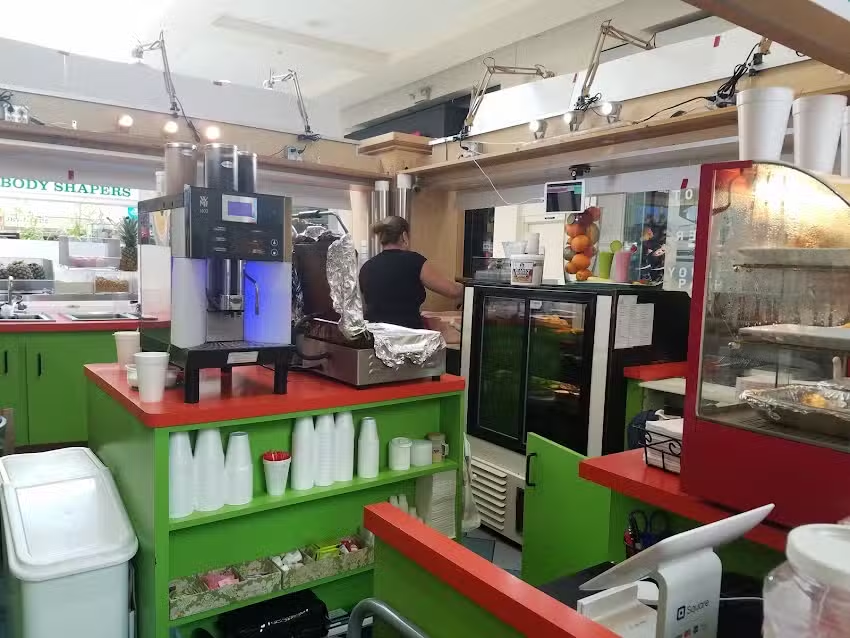
BackLocated within the food court of Southland Mall, Rio Station Juice Bar was an establishment that aimed to provide a fresh and healthy alternative to typical fast-food fare. Though it is now permanently closed, its history offers a compelling look at the challenges a juice bar faces, particularly concerning consistency and customer service. The business positioned itself as a purveyor of wholesome products, centered around made-to-order juices, paninis, and salads. However, customer feedback reveals a deeply divided experience, painting a picture of a place that could deliver excellent quality one day and significant disappointment the next.
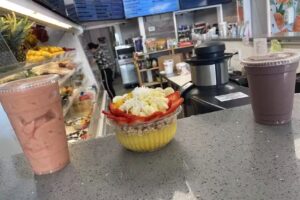
On paper, Rio Station Juice Bar had a promising menu for health-conscious shoppers. Positive accounts highlighted its value as the "healthiest food place in Southland mall." Patrons could order custom fresh fruit smoothies, salads, and paninis, with the assurance that their meal was being prepared on the spot. One customer praised a large tuna salad and a custom smoothie, noting that while the preparation took some time, the wait was a worthwhile trade-off for freshness. Another lauded the smoothies as "amazing" and "all natural," and found the paninis to be equally delicious. These experiences speak to the potential Rio Station had. When the staff was focused and the ingredients were properly handled, the result was a satisfying and genuinely healthy meal at an affordable price point, a rare find in a bustling mall environment.
The Menu's Healthy Promise
The core of Rio Station's appeal was its dedication to vibrant, nutritious offerings. The menu was designed to cater to a variety of healthy lifestyles, moving beyond simple beverages to include light meals.
- Smoothies and Juices: The stars of the show were the healthy smoothies and natural juices. Customers could choose from pre-designed combinations or create their own, offering a degree of personalization that was highly appreciated by some. The emphasis on using "all natural" ingredients was a significant selling point.
- Açaí Bowls: A staple for any modern smoothie shop, açaí bowls were on the menu, promising a trendy and antioxidant-rich option for customers.
- Salads and Paninis: To complement its drink selection, the bar offered more substantial food items. Freshly made salads, like the tuna salad mentioned in one review, and "delish" paninis made it a viable lunch spot, not just a place for a quick drink.
A Deep Divide in Customer Experience
Despite the appealing menu, the reality of the customer experience was inconsistent. For every glowing review, there was another detailing significant service failures. This inconsistency appears to be the central issue that defined the business's reputation. A rating of 3.3 stars from a handful of reviews perfectly encapsulates this polarization; it was a place that struggled to provide a reliably positive experience for every customer, every time.
The negative feedback pointed to several recurring problems. One of the most critical issues was a lack of common sense and care in order fulfillment, especially for delivery orders. A particularly telling review described an order where a hot arepa was stacked directly on top of a frozen açaí bowl. The result was predictable: a cold arepa and a melted, inedible bowl. This incident highlights a fundamental breakdown in quality control and employee training, turning a potentially delicious meal into a frustrating waste of money.
Service and Operational Shortcomings
Beyond isolated incidents, there were broader complaints about the quality of service. One former patron noted a decline over time, stating that the establishment "used to be a nice place." They went on to criticize the extremely slow service, describing it as taking "FOREVER," coupled with "0 customer service" and, damningly, "tasteless smoothies." This suggests that as time went on, standards began to slip, not just in efficiency but in the core product itself. When a juice bar fails to deliver flavorful smoothies, it loses its primary reason for existing.
Another operational quirk that alienated customers was the staff's habit of claiming to have "run out of smoothies" approximately half an hour before closing time. This excuse was met with suspicion, with customers believing it was a tactic for employees to begin closing duties early. Whether due to poor inventory management or unmotivated staff, the outcome was the same: turning away paying customers and creating a reputation for unreliability. Such practices directly undermine a business's ability to build a loyal customer base.
What Led to the Closure?
While the exact reasons for Rio Station Juice Bar's permanent closure are not public, the available customer feedback provides strong clues. A business, especially a small one in a competitive food court setting, cannot survive on inconsistency. The foundation of a successful food service establishment is reliability—customers need to trust that they will receive a quality product and decent service each time they visit. Rio Station Juice Bar struggled immensely with this concept.
The contrast between its potential and its execution is stark. It offered desirable healthy food options and, on its best days, delivered fresh, delicious products. However, these successes were frequently overshadowed by slow service, careless mistakes, and operational issues that left customers feeling frustrated and dismissed. A business that makes customers feel like an inconvenience is not one that will last. Ultimately, Rio Station Juice Bar serves as a case study in how a great concept can be undone by poor execution. While some may remember it for its tasty smoothies and healthy salads, its legacy is equally defined by the inconsistency and service failures that likely led to its eventual demise.