Sonoma County Juice Company, A Cold-pressed Juicery
BackSonoma County Juice Company, once located at 1280 Healdsburg Avenue, is now a permanently closed chapter in the local health food scene. As a business that specialized as a cold-pressed juicery, it occupied a specific niche, catering to a clientele focused on wellness and high-quality, nutrient-dense beverages. A retrospective look at its operations, based on its market position and the common experiences of similar establishments, reveals a story of both commendable qualities and significant operational challenges that likely contributed to its eventual closure.
For a time, this establishment was a destination for those seeking out genuinely healthy options. The core of its appeal was its commitment to the cold-press method. Unlike traditional centrifugal juicers that generate heat and oxidize nutrients, the cold-press process involves slowly grinding and pressing produce to extract juice. This technique preserves the maximum amount of vitamins, minerals, and enzymes. This distinction was a major selling point and a key differentiator from mass-market juice and smoothie chains. Customers who frequented this local juice shop were often knowledgeable about these benefits and willing to seek out a superior product. The menu likely featured a range of thoughtfully crafted recipes, from green juices packed with kale and spinach to fruit-forward blends and revitalizing root-based concoctions with beet and ginger.
The Appeal of a Dedicated Juicery
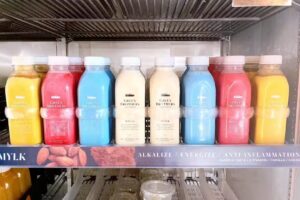
One of the primary strengths of a specialized business like Sonoma County Juice Company was its focus. In an area celebrated for its culinary excellence, it offered a counterpoint to the region's indulgent food and wine culture. It provided a sanctuary for health-conscious residents and visitors looking for a reset. Many patrons were likely drawn to the idea of a juice cleanse, a popular wellness practice that involves consuming only juices for a set period to detoxify the body. This juicery would have been an ideal supplier for such programs, offering structured cleanse packages with numbered bottles for convenience, taking the guesswork out of the process for consumers.
Furthermore, the demand for organic juice is a powerful market driver. While it's not confirmed if all their produce was certified organic, businesses in this sector often prioritize locally sourced and organic ingredients to meet customer expectations. This commitment to quality ingredients, free from synthetic pesticides, would have been a significant draw. Patrons value transparency and the assurance that they are consuming a pure, clean product. Beyond juices, a well-rounded fresh juice bar of this type would typically expand its offerings to include healthy smoothies, wellness shots (like ginger or turmeric), and perhaps nut milks, catering to a broader range of tastes and dietary needs within the health food spectrum.
Potential Shortcomings and Business Hurdles
Despite the clear benefits of its products, the business model of a premium cold-pressed juicery is fraught with difficulties. The most significant barrier for many customers is undoubtedly the price. The process of cold-pressing is labor-intensive, and the sheer volume of fresh, often organic, produce required to yield a single bottle of juice is substantial. This results in a premium price point that can be difficult for the average consumer to justify on a regular basis. A single 16-ounce bottle can often cost upwards of ten dollars, positioning it as a luxury item rather than a daily staple for many.
Another challenge is the inherently short shelf life of the product. True cold-pressed juice, which is unpasteurized and free of preservatives, must be consumed within a few days of being made. This creates a demanding production schedule and a high risk of waste if daily sales forecasts are not met. Managing inventory becomes a delicate balancing act between having enough fresh product to satisfy demand and avoiding costly spoilage. This operational pressure can be immense for a small business.
The location at 1280 Healdsburg Ave #202, situated in a multi-unit building rather than a standalone storefront with high foot traffic, may have also presented an obstacle. Visibility and accessibility are crucial for retail businesses that rely on spontaneous purchases. If the juicery was not easily seen from the main road or lacked convenient parking, it would have struggled to attract new customers, relying instead on a dedicated base of regulars who made a specific trip to visit.
The Competitive Landscape and Reasons for Closure
While the specific reasons for the permanent closure of Sonoma County Juice Company are not publicly detailed, it operated in a competitive environment. The broader Sonoma County area has other health-food options, including established players like The Nectary, which offers a wide range of organic juices, smoothies, and food items. Furthermore, even large grocery stores like Whole Foods have their own in-house juice bars, providing a convenient and often slightly more affordable alternative. Competing against both specialized boutiques and large-scale retailers is a formidable task.
Small businesses in California also face high operational costs, including rent, utilities, and labor. For a business model with high ingredient costs and significant labor requirements, maintaining profitability can be a constant struggle. Ultimately, many small, specialized food and beverage companies close due to a combination of intense competition, high overhead, and the challenge of maintaining a consistent customer base willing to pay a premium price. The story of Sonoma County Juice Company serves as a reflection on the difficult realities of running a niche wellness business, even one with a high-quality product and a clear mission.