REVive
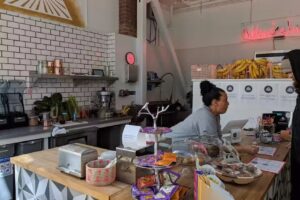
BackLocated at 709 E State St before its permanent closure, REVive was a local cafe in Trenton, Ohio, that garnered a divided reputation among its clientele. On the surface, it operated as a modern wellness cafe, offering a menu of shakes and teas. However, the customer experience varied dramatically depending on their expectations of what a smoothie shop should be. While some praised it for its friendly service and tasty products, others raised significant concerns about its business model and the nature of its ingredients, leading to a complex and ultimately unsustainable public perception.
For a segment of its customers, REVive was a beloved local spot. Patrons left positive reviews highlighting the pleasant atmosphere and welcoming staff. One customer described the workers as "super nice" and the shakes as "great." Another called it their "favorite place to go" for shakes and teas, indicating a loyal following that enjoyed the specific products on offer. A 4-star review mentioned it was a "friendly place" that promoted a "healthy lifestyle," suggesting that for some, the cafe successfully cultivated an image of wellness and community. These customers were seemingly satisfied with the taste and perceived benefits of the drinks, viewing REVive as a positive addition to their routine.
The Center of the Controversy: Ingredients and Business Model
Despite the positive feedback, a significant and vocal group of former customers expressed strong disapproval, centered on a key aspect of REVive's operations: its affiliation with Herbalife, a multi-level marketing (MLM) company. This criticism fundamentally challenged the cafe's identity as a genuine juice bar. According to multiple negative reviews, the drinks were not made with fresh fruits or other whole-food ingredients. Instead, they were prepared using Herbalife's line of powdered mixes. One reviewer stated bluntly, "Their drinks are just powder and there's no real fruit or nutritious ingredients in them at all." Another echoed this sentiment, noting the complete absence of visible fruit in the establishment and explaining, "It's literally just Herbalife powders. Theres literally no 'juice'."
This reliance on powders created a major disconnect for patrons expecting fresh juices or smoothies made from scratch. The term "juice shop" or "smoothie bar" typically implies a process where raw fruits and vegetables are blended or juiced on-site. At REVive, the product was closer to a meal replacement shake or a protein shake, which, while having its own consumer base, is a distinctly different offering. The disappointment stemmed from a feeling of being misled; customers who sought natural, unprocessed healthy drinks felt they received a highly processed alternative without transparent disclosure.
Understanding the Herbalife "Nutrition Club" Model
To fully grasp the customer complaints, it's important to understand the business structure REVive appeared to be using. Many storefronts that exclusively sell Herbalife products operate as "nutrition clubs." These are not traditional retail stores or restaurants but are run by independent distributors of the MLM company. The model has faced scrutiny and legal challenges over the years. In 2016, the U.S. Federal Trade Commission (FTC) ordered Herbalife to pay a $200 million settlement and fundamentally restructure its business, alleging that it was deceiving distributors about their potential earnings and that most income was derived from recruitment rather than actual retail sales. The FTC found that the majority of those who opened nutrition clubs made no money or lost money.
This business model was at the heart of the negative reviews for REVive. Customers weren't just criticizing the product; they were also reacting to the perceived association with a controversial MLM structure. One reviewer explicitly stated, "These people are involved with the HerbaLife MLM to sell their products; I have no idea how this is legal." This sentiment reflects a broader public skepticism toward MLM companies, which are often accused of predatory practices. For these customers, walking into REVive was not just about buying a shake; it was an unwitting encounter with a business model they fundamentally opposed.
A Tale of Two Customer Perceptions
Ultimately, REVive catered to two different audiences, whether intentionally or not. On one side were those who were familiar with and enjoyed Herbalife's nutritious shakes. This group appreciated the convenience, the specific flavors, and the social environment of the club. They saw it as a place to get a quick, tasty, and what they considered healthy, meal or snack, supported by friendly service.
On the other side were customers who were looking for a traditional juice bar experience. They valued transparency, natural ingredients, and the health benefits associated with freshly prepared drinks. This group felt that REVive's marketing and presentation were deceptive. The expectation of seeing blenders filled with spinach, bananas, and berries was met with the reality of canisters of powder and water. This fundamental mismatch in product and expectation led to feelings of disappointment and distrust, resulting in 1-star reviews and warnings to other potential customers to "do better making a smoothie yourself."
The legacy of REVive in Trenton is therefore a dual one. It is remembered by some as a friendly local cafe with enjoyable shakes, but by others as a storefront for a contentious MLM, representing a lack of transparency in the health and wellness space. Its permanent closure marks the end of a business that highlighted a clear division in consumer values and expectations when it comes to healthy drinks.