
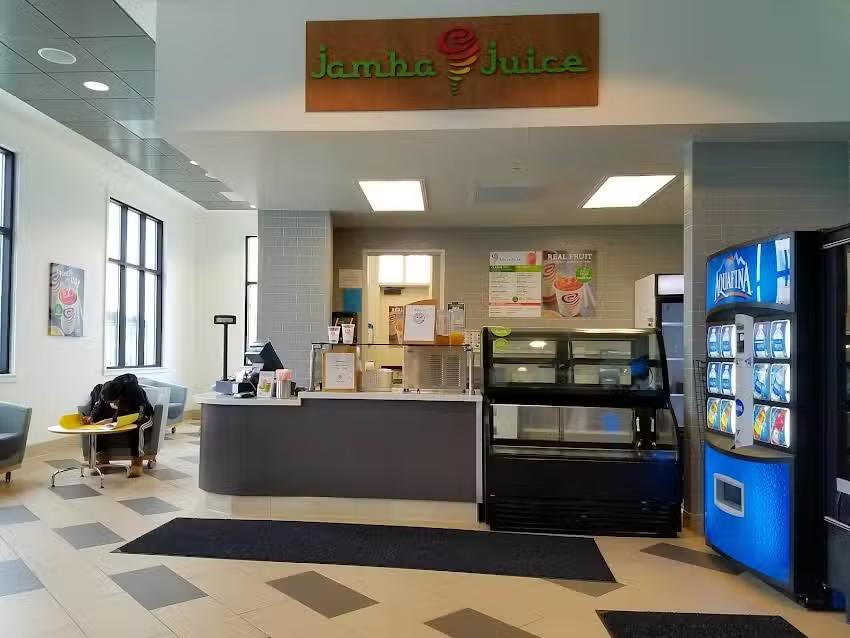
Jamba Juice
BackFor residents of Moraga, California, the local Jamba Juice was once a familiar stop for a quick beverage or a post-workout snack. However, potential customers should be aware that this specific location is now permanently closed. The shuttered storefront represents the end of an era for local patrons who relied on it for a consistent menu of blended drinks and quick bites. While the brand continues to operate in other locations, the Moraga branch is no longer an option.
When it was operational, this Jamba Juice served as a typical outpost of the well-known national chain. It provided a convenient and relatively quick service for those seeking fruit smoothies and other blended beverages. The brand built its reputation on offering a seemingly healthy alternative to traditional fast food, centering its menu on fruit and vegetable blends. Popular, classic menu items like the 'Strawberries Wild®' and 'Mango-A-Go-Go®' were likely staples for many customers here, offering a consistent and predictable taste that franchise locations are known for. For many, it was a go-to smoothie shop that required little thought; you knew what you were getting, and it was delivered fast.
The Customer Experience: Pros and Cons
Based on the general reputation of the Jamba brand and common customer feedback, we can infer the likely strengths and weaknesses of the Moraga location. On the positive side, Jamba has always excelled at convenience and taste. The smoothies are designed to be palatable and refreshing, making them an easy choice for a wide range of customers, from students to busy parents. The menu also expanded over the years to include more than just smoothies, incorporating acai bowls, oatmeal, and various baked goods, turning it into a viable spot for a quick breakfast or light lunch.
Furthermore, the introduction of wellness shots, featuring ingredients like ginger, turmeric, and wheatgrass, catered to a growing demographic of health-conscious consumers looking for a quick nutritional boost. The ability to customize drinks with protein powders, vitamins, and other add-ins was another significant advantage, allowing customers to tailor their orders to specific dietary needs or fitness goals. For those seeking plant-based options, Jamba also offered a variety of non-dairy alternatives, ensuring there was something for almost everyone.
However, the Jamba experience is not without its criticisms, which likely extended to the Moraga store. A primary concern often raised by nutrition-conscious consumers is the high sugar content in many of the classic smoothies. While marketed as healthy, some drinks contain as much sugar as a can of soda, largely from fruit concentrates and sherbets rather than whole fruit. This often-overlooked detail can be a significant drawback for customers genuinely seeking low-sugar, healthy drinks. Another common point of contention is the price; a single smoothie can be quite expensive, making it a costly habit for regular patrons. Service speed, while generally fast, could also vary depending on the time of day and staffing levels, a challenge faced by many quick-service establishments.
A Deeper Look at the Menu
The core of the Jamba business model has always been its extensive menu of blended beverages. Understanding what was offered helps paint a picture of the role this juice bar played in the community.
- Classic Smoothies: These were the foundation of the menu, often blending fruit juices, frozen yogurt, sherbet, and frozen fruits. They prioritized taste and texture, creating a product that was more of a treat than a purely health-focused drink.
- Plant-Based Smoothies: Catering to the rise of vegan and dairy-free diets, this category used soy, almond, or oat milk and omitted dairy-based sherbets and yogurts. They offered a way for more people to enjoy the brand's signature blends.
- Power Smoothies: These items included protein powder (whey or soy) and were targeted at the fitness community as meal replacements or post-exercise recovery drinks. Drinks like the 'PB & Banana Protein' smoothie were dense in calories and nutrients.
- Fresh Juices: For purists, Jamba offered a selection of fresh juices, squeezed or blended from whole fruits and vegetables. These drinks had no added sugars or fillers, appealing to the most health-discerning customers.
- Bowls and Bites: To move beyond being just a beverage destination, Jamba heavily invested in food items. The acai bowls and pitaya bowls became extremely popular, offering a more substantial meal option topped with granola, fresh fruit, and other garnishes. Small food items like pretzels and waffles were also available to complement a drink order.
Reasons for Closure
While the specific reasons for the Moraga location's permanent closure are not publicly detailed, it reflects a broader trend affecting many retail and food service businesses. Chains like Jamba Juice have faced increased competition not only from other national brands but also from local, independent juice bars that may offer more artisanal or specialized products. Economic factors such as rising commercial rent and labor costs can put significant pressure on franchise profitability. Furthermore, shifts in consumer behavior, such as a greater preference for delivery services or a move away from shopping centers, can impact foot traffic. In some cases, corporate-level decisions lead to the consolidation of locations, closing underperforming stores to focus resources elsewhere. The closure of this Jamba Juice, like many others, was likely the result of a combination of these challenging factors.