Got Da Juice
BackGot Da Juice was a beverage establishment located at 1762 Hudson Bridge Road in Stockbridge, Georgia, that has since permanently closed its doors. During its time of operation, it aimed to serve the community with a variety of juices and smoothies, positioning itself as a destination for health-conscious consumers. The business garnered a fair amount of attention, maintaining a generally positive overall rating from its patrons. However, a deeper look into the customer feedback reveals a business that, while full of potential, struggled significantly with consistency in both its products and its operational management. This created a mixed but insightful legacy of its tenure in the local market.
The Ambiance and Vision
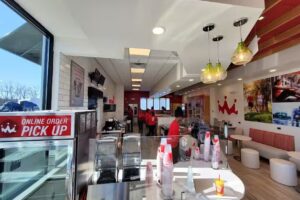
One of the most consistently praised aspects of Got Da Juice was its physical environment. Patrons frequently described the interior as beautiful, clean, and comfortable. The setup included not just a service counter but also a thoughtful arrangement of tables, a dedicated bar area, and even a sofa section, creating a relaxing and welcoming atmosphere. This design choice suggested an intention to be more than just a grab-and-go counter; it was curated to be a place where customers could unwind, socialize, or even work, supported by the availability of amenities like Wi-Fi. Such an environment is a significant asset for any smoothie shop, as it encourages longer stays and repeat visits. The location was also strategically chosen, situated next to a gym, which provided a direct and relevant stream of potential customers looking for post-workout refreshment. This thoughtful positioning and appealing decor pointed to a clear and promising business concept.
Product Offerings: The Highs and Lows
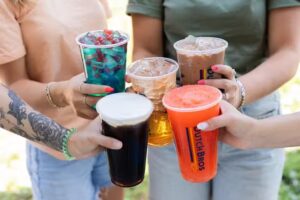
When the products were made correctly, they received high marks from customers. The menu, centered around healthy smoothies and freshly prepared juices, clearly resonated with its target audience. One customer raved about a particular smoothie, calling it "just darn delicious," while another found that a mango and pineapple juice was not only tasty but also soothing for an upset stomach. These experiences highlight the quality of the ingredients and the appeal of the recipes themselves. The offerings were precisely what one would expect from a quality fresh juice bar, promising nutritious and refreshing options like natural fruit drinks suitable for a quick health boost or even a more structured juice cleanse.
Unfortunately, the positive product experiences were not universal, and the core issue that emerged was a lack of consistency. A critical piece of feedback came from a customer who, after enjoying a specific smoothie, returned another day to order the exact same item, only to receive a drink that tasted completely different and was dominated by a single, overpowering flavor. This level of inconsistency is extremely detrimental for any food and beverage business, as it erodes customer trust and makes it difficult to build a loyal following. Patrons need to know they can rely on receiving the same quality product with every purchase, and failures in this area suggest underlying problems with staff training, recipe adherence, or quality control protocols.
Operational and Service Challenges
The most significant and recurring criticisms leveled against Got Da Juice were related to its operations and customer service. These issues appeared to be systemic, pointing to deep-seated challenges in management, staffing, and training. Multiple customers reported experiences that went beyond minor inconveniences and indicated a fundamental lack of reliability.
- Inconsistent Hours and Accessibility: One patron recounted arriving with her children during what were supposed to be business hours, only to find the doors locked and the lights on, a frustrating experience for any potential customer. While a manager later explained this was due to restaffing and training, it highlights a period of operational instability that directly impacted the public's access to the shop.
- Staffing Issues and Service Delays: Another notable incident involved a customer who was ready to order but was told by an employee that she could not make the smoothie because her shift had just ended. The customer was then forced to wait for another employee to arrive from a different store to prepare her order. This not only created an unnecessary delay but also reflects poorly on the internal management and scheduling of the establishment. It suggests a lack of teamwork and a rigid structure that prioritized internal rules over immediate customer satisfaction.
- Slow Service: Even when the shop was fully operational, there were comments about the need for faster service, especially for those grabbing a quick drink after a workout. For a business model that partly relies on convenience, efficiency is key, and delays can deter customers who are on a tight schedule.
Despite these significant operational flaws, there were moments where the staff's performance was commended. Some employees were described as nice, friendly, and patient, and one manager took a proactive step to contact a customer who had a bad experience, successfully encouraging her to return for a much-improved second visit. This shows that there was an awareness of the problems and some effort to correct them. However, the sheer volume of negative operational feedback suggests that these positive instances were exceptions rather than the rule, and the underlying issues were never fully resolved, likely contributing to the business's eventual closure.
A Concluding Perspective
Got Da Juice presented a compelling concept: a beautifully designed juice shop in a prime location with a menu of appealing and healthy products. It had all the surface-level components for success. However, its story serves as a crucial reminder that a strong concept alone is not enough. The success of a retail business, particularly in the competitive food and beverage sector, hinges on execution and consistency. The persistent problems with operational reliability, inconsistent product quality, and erratic customer service ultimately overshadowed its positive attributes. While it offered a welcoming space and, at times, excellent detox juice and smoothies, its inability to deliver a dependable experience likely prevented it from building the sustainable customer base needed for long-term survival. Its permanent closure leaves behind a lesson on the importance of a well-managed backend operation to support a customer-facing vision.