Jamba
BackLocated at 1600 Warren Street, the Jamba in Mankato presents itself as a convenient option for those seeking fresh fruit smoothies and other health-conscious snacks. As part of a well-known national chain, it brings a familiar menu of blended beverages, juices, and bowls to the area. The establishment operates with notably extensive hours, from 7:00 AM to 11:00 PM every day of the week, positioning itself as an accessible choice for an early morning boost, a midday meal replacement, or a late-evening treat. It also offers modern conveniences such as dine-in, takeout, and delivery services, along with a wheelchair-accessible entrance. However, a closer look at customer feedback and operational patterns reveals a complex picture, marked by significant challenges that potential patrons should consider.
The Jamba Promise vs. The Reality in Mankato
On paper, this Jamba location should be a reliable destination. The brand is known for its wide array of smoothie recipes, from classic fruit blends to protein-packed power drinks and vibrant smoothie bowls. The menu is designed to cater to a variety of dietary preferences, offering a quick and easy way to consume fruits and vegetables. The price point, listed as affordable, further adds to its appeal for students and families looking for a quick, relatively inexpensive healthy snack. Despite these inherent strengths, the customer experience at this specific franchise appears to be inconsistent at best, and deeply frustrating at worst, as evidenced by a consistent pattern of complaints.
Service and Staffing: The Core Challenge
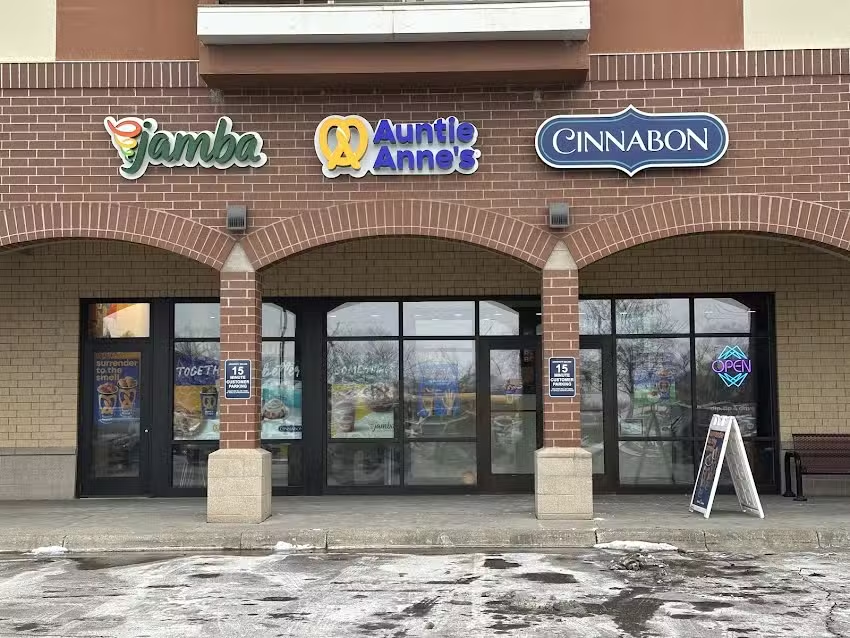
A recurring and critical issue highlighted by numerous visitors is the severe understaffing. Patrons frequently report that the entire store—which also operates as a co-branded location with Auntie Anne's and Cinnabon—is run by just one or two employees. This operational strain is the apparent root cause of many other problems. One customer noted the absurdity of having so few staff members responsible for taking orders, preparing items for three different brands, and managing payments. While the employees themselves are often described as "super kind" and doing their best under pressure, the management's failure to adequately staff the location leads directly to a compromised customer experience.
The most immediate consequence of this understaffing is incredibly slow service. Waits of over 12 minutes for a single smoothie have been reported, even when the store is not visibly busy. This suggests a bottleneck in the production process that leaves customers waiting for extended periods. Furthermore, one review points to a concerning practice where customers for the co-located Cinnabon and Auntie Anne's seem to receive priority service, leaving Jamba patrons feeling secondary. This dynamic creates an inequitable service environment and detracts from the efficiency one would expect from a counter-service juice bar.
Product Quality and Consistency Under Scrutiny
The primary reason to visit a Jamba is for a freshly made, high-quality beverage. Unfortunately, this location has demonstrated significant lapses in this area. One of the most telling accounts involves a customer who ordered smoothies just three minutes before arriving for pickup, only to receive them already melted and appearing as though they had been sitting out for hours. For a business centered on fresh and natural ingredients, delivering a product in such a state is a major failure of quality control. It suggests that drinks are either not made to order or are left to degrade while the overstretched staff attends to other duties.
Other reports mention drinks being "poorly made," which points to a lack of consistency in preparation. When customers order a specific item from a chain like Jamba, they expect it to taste the same every time. Deviations from the standard recipe, whether due to rushing, lack of training, or ingredient issues, erode trust and satisfaction. These issues combined paint a picture of a location struggling to maintain the brand's core promise of quality.
Operational Reliability: A Mixed Bag
Online Orders and Store Hours
Perhaps the most serious complaints revolve around basic operational reliability, particularly concerning online orders and stated business hours. One customer shared a deeply negative experience after placing a prepaid online order for pickup at 8:00 PM. Upon arrival, they found the store closed, despite its official hours stating it was open until 11:00 PM. To make matters worse, their card was charged, and they later received an automated email claiming the order had been picked up early the next morning. When seeking a resolution, they were informed that a refund would take 5-10 business days. This incident highlights a severe disconnect between the store's digital presence and its physical operations, creating a risk for customers who rely on the convenience of ordering ahead.
Promotions and Customer Service
In-store policies and promotions have also been a point of friction. A first-time visitor reported an issue where a clearly advertised Happy Hour discount was not honored by the staff. When they questioned the discrepancy, the issue was not resolved, and they were charged the full price. This failure to stand by advertised specials, coupled with poorly made drinks, left a lasting negative impression. It suggests potential gaps in employee training and a lack of empowerment for staff to resolve customer issues on the spot, further damaging the store's reputation.
A Location with Potential Weighed Down by Flaws
The Jamba at 1600 Warren Street in Mankato is a business of contradictions. It offers a popular and appealing menu of healthy juices and smoothies, operates with exceptionally convenient hours, and is staffed by employees who are noted to be friendly despite difficult working conditions. However, the positive aspects are consistently overshadowed by fundamental operational failures. The critical lack of adequate staffing appears to be the central issue, leading to a cascade of problems including slow service, inconsistent product quality, and unreliable order fulfillment.
For potential customers, a visit to this juice shop may feel like a gamble. While you might be served by a kind employee, you also risk a long wait, a subpar product, and potential issues with billing or online orders. The challenges this location faces seem to stem from management-level decisions rather than the efforts of its frontline workers. Until these systemic problems—particularly the chronic understaffing and its effects on the co-branded service model—are addressed, customers should manage their expectations accordingly. Those in a hurry or who prioritize reliability may want to consider other options before committing to an order.