
Juice Factory
BackJuice Factory, formerly located on East County Line Road in Tampa, presented itself as a haven for health-conscious individuals. Though now permanently closed, its story offers a compelling look into the highs and lows of running a modern health food establishment. For a time, it was a go-to spot for those seeking a nutritious boost, celebrated for its vibrant menu and friendly atmosphere. However, conflicting customer experiences, particularly concerning hygiene and operational consistency, paint a more complex picture of a business that struggled to maintain its standards, perhaps leading to its eventual shutdown.
A Menu Designed for Wellness and Variety
On paper and in practice during its peak, Juice Factory’s menu was its strongest asset. It successfully expanded beyond the simple concept of a fresh juice bar to encompass a wide array of health-focused meals and drinks. The establishment offered a comprehensive selection that catered to various dietary needs and preferences, making it a versatile option for breakfast, lunch, or a post-exercise refuel. The ability for customers to create their own juice was a significant draw, allowing for personalized wellness concoctions tailored to specific tastes or health goals.
The offerings extended to an impressive list of healthy smoothies, which were frequently praised by patrons. One particularly memorable item mentioned in reviews was the "immunity booster," a concoction noted for its spicy kick and purported health benefits. This suggests a menu that was both creative and functional, aiming to deliver flavor alongside wellness. Beyond beverages, the food selection was robust. The Pitaya and acai bowls were standout items, lauded not only for their delicious flavor combinations but also for their visual appeal—bright, colorful, and packed with fresh toppings. These bowls became a signature product, embodying the fresh and energetic image the brand aimed to project. The menu was rounded out with more substantial fare like wraps and salads, such as the buffalo wrap and a strawberry salad, positioning Juice Factory as a legitimate lunch spot and not just a place for drinks.
The Ideal Customer Experience
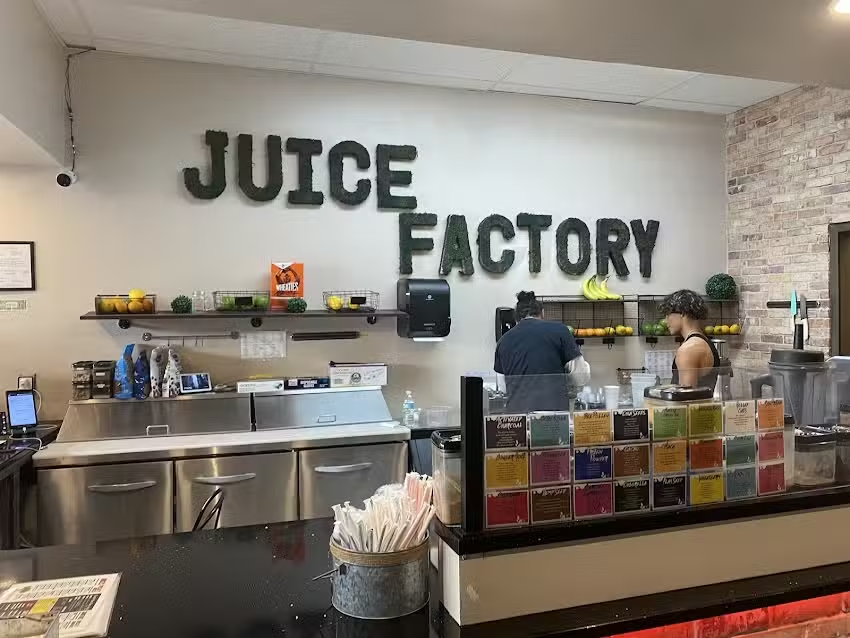
For many customers, a visit to Juice Factory was an overwhelmingly positive experience. The interior, though small, was frequently described as "cozy," "cute," and "beautiful," creating a welcoming atmosphere for patrons to relax or grab a quick bite. This positive ambiance was reportedly matched by the staff, who were often characterized as friendly and helpful. One customer fondly recalled an employee offering free samples of smoothies, a small gesture that speaks to a commitment to customer satisfaction and a pride in their products. This level of service created a loyal following, with many people, especially those in the fitness community, highly recommending it as the perfect place for a post-workout meal. The combination of a diverse, delicious menu and a pleasant environment was, for a significant period, a winning formula that earned the establishment numerous five-star ratings and enthusiastic reviews.
Critical Failures in Operations and Hygiene
Despite the glowing praise from many, a darker narrative emerged from other customer accounts, one that pointed to severe and systemic issues with cleanliness and food safety. These weren't minor complaints but fundamental problems that would be alarming for any restaurant, let alone one marketing itself on the principles of health and purity. One of the most detailed negative reviews, which serves as a critical counterpoint to the positive feedback, outlined a series of deeply concerning observations that likely signaled a decline in operational standards.
A primary concern was the lack of proper food handling protocols. A staff member was reportedly seen alternating between using a computer terminal and preparing food with bare hands, a clear violation of basic food safety practices that introduces a high risk of cross-contamination. The quality of the ingredients themselves was also called into question, with a customer expressing disgust over the meat in a salad, claiming it was of such poor quality that it didn't seem to be chicken at all. For an establishment priced affordably, ingredient quality is often a challenge, but the experience described suggests a standard that fell far below acceptable levels.
An Unsettling Environment
The hygiene issues appeared to extend beyond food preparation into the general upkeep of the entire space. The same customer review detailed a shocking and unsafe discovery in the restroom: a kitchen knife left on the counter directly beside cleaning chemicals. This not only poses a significant safety hazard but also raises questions about the establishment's sanitation practices, blurring the lines between food preparation areas and cleaning zones. The overall environment was described as messy and disorganized, with a stray grocery store shopping cart inside, personal belongings left on chairs, and trash cans so full that garbage was being left on the counter. This chaotic scene stands in stark contrast to the "cute and beautiful" image portrayed in other reviews and points to a potential collapse in management and staff discipline.
A Legacy of Inconsistency
The story of Juice Factory is ultimately a tale of two vastly different businesses operating under one roof. On one hand, it was a beloved local spot with a fantastic concept, serving delicious and visually appealing cold-pressed juice, smoothies, and bowls. On the other, it was an establishment plagued by what appear to be critical failures in hygiene and operational consistency. The timeline of reviews suggests a possible trajectory: an initial period of high standards and great service that garnered a loyal fanbase, followed by a period of decline where cleanliness and quality control faltered significantly.
The stark contrast between a 5-star experience and a 2-star experience highlights the importance of consistency in the food service industry. While many patrons may have never witnessed the issues described in the negative accounts, the fact that they occurred at all is a major red flag. For a business centered on wellness, the trust of its customers is paramount. Reports of unsanitary conditions and poor food handling would inevitably erode that trust and could have been a contributing factor to its permanent closure. While former fans may miss their favorite smoothie or Pitaya bowl, the documented issues serve as a cautionary tale for entrepreneurs in the competitive health food market: a great menu and a friendly vibe cannot compensate for a lack of fundamental cleanliness and safety standards.