Joyous Juice Bar, LLC.
BackA Retrospective Look at Joyous Juice Bar, LLC.
Positioned at 784 River Road, Joyous Juice Bar, LLC. was a health-focused establishment in Shelton, Connecticut, that has since ceased operations and is now permanently closed. The absence of an online presence or publicly available customer reviews makes a conventional assessment difficult. However, an analysis of its visual records provides a clear picture of the business's concept, its offerings, and the experience it aimed to provide. This establishment was designed to be a modern sanctuary for wellness, built around the burgeoning demand for nutritious, plant-based options.
The interior, as documented in photographs, projected a clean, bright, and minimalist aesthetic. Light-colored walls, combined with natural wood counters and shelving, created an atmosphere that felt both modern and grounded. The inclusion of greenery, with potted plants strategically placed throughout the space, reinforced the brand's connection to nature and freshness. This type of environment is crucial for a fresh juice bar, as it visually communicates the core values of cleanliness, health, and quality to customers before they even look at a menu. The space appeared well-organized and uncluttered, suggesting an efficient workflow and a pleasant place for customers to either wait for their order or perhaps enjoy a quiet moment.
The Menu: A Focus on Wellness and Flavor
The centerpiece of the business was its thoughtfully curated menu, displayed prominently on a large board. It was divided into clear categories, including smoothies, juices, cleanses, and wellness shots, indicating a comprehensive approach to liquid nutrition. The smoothie names—such as "The Joy," "The Peace," and "The Love"—were a clever branding touch. This naming convention did more than just identify a drink; it aimed to sell an experience and a feeling, associating the consumption of their products with positive emotional states. This strategy can be effective in building a loyal customer base that connects with the brand on a deeper level than just the product itself.
The offerings were aligned with significant health trends. The availability of juice cleanse programs signaled an appeal to customers dedicated to periodic detoxification or a nutritional reset. These programs are a staple of the dedicated organic juice bar and require significant expertise in formulation to be both effective and palatable. Furthermore, the inclusion of wellness shots, featuring potent ingredients like ginger and turmeric, catered to the growing consumer interest in quick, functional health boosts. These small-volume, high-impact drinks are popular for their perceived benefits, from boosting immunity to reducing inflammation.
Of course, the menu also featured what are arguably the most popular items in this market segment: acai bowls and superfood bowls. Visuals of these products show them to be rich in color and texture, topped with an array of fresh fruits, granola, and other healthy additions. The presentation was clearly a priority, resulting in products that were not only nutritious but also highly appealing and perfect for sharing on social media platforms. For many customers, the visual appeal of a smoothie bowl is as important as its taste, and Joyous Juice Bar appeared to understand this perfectly.
Assessing Quality and Pricing
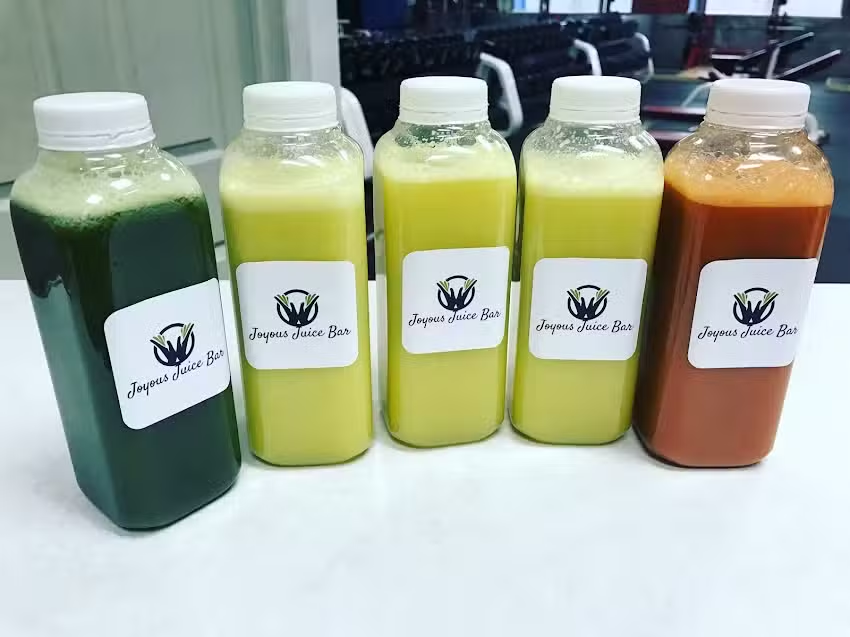
While the exact recipes are unknown, the vibrant colors of the juices and smoothies in photos suggest a reliance on fresh, whole ingredients. The deep greens, bright oranges, and rich purples are indicative of produce that has not been over-processed. This commitment to quality is fundamental for a business centered on health. Customers seeking out a healthy smoothies shop expect products that are a world away from sugary, concentrate-based drinks found elsewhere.
The pricing structure, visible on the menu boards, was in line with industry standards for premium juice bars. Smoothies were priced around the $8-$9 mark, while bowls were approximately $11-$12. This price point reflects the high cost of goods associated with using fresh, and often organic, produce, as well as the labor-intensive process of preparing these items to order. However, this pricing also places the products firmly in the category of a premium or lifestyle purchase, which can present a challenge in sustaining a broad customer base. For a daily habit, this cost can be prohibitive for some, making the business more of a treat than a routine for the average consumer.
Potential Strengths and Inherent Challenges
Based on the available information, Joyous Juice Bar, LLC. had several potential strengths. Its branding was cohesive and appealing, from the store's design to the menu's creative naming. The product line was comprehensive, catering to a wide spectrum of health-conscious consumers, from those wanting a simple post-workout smoothie to those committing to a multi-day detox juices cleanse. The focus on aesthetically pleasing product presentation was a significant asset in the age of social media marketing.
Despite these strengths, the business ultimately closed. While the specific reasons remain undocumented, small businesses in this niche face a common set of formidable challenges. The high operational cost is chief among them. Maintaining a consistent supply of high-quality fresh produce is expensive and subject to seasonal price fluctuations. The overhead for a prime retail location, coupled with labor costs, creates a slim profit margin.
Market saturation and competition are also significant factors. While a dedicated juice bar might be unique, it still competes with cafes that offer smoothies, grocery stores with cold-pressed juice sections, and even fast-food chains adding healthier options. To succeed, a business like Joyous Juice Bar needed to not only attract customers but also convert them into loyal, repeat patrons. This requires a perfect blend of product quality, customer service, and perceived value that can be difficult to maintain.
Finally, the business model itself relies on a relatively niche market. While interest in health and wellness is growing, the number of consumers who will consistently pay premium prices for juices and smoothie bowls is limited. The success of such a business is often tied to the specific demographics and consumer habits of its immediate location. Without a constant influx of new customers and a strong base of regulars, sustaining the business through quieter periods can be incredibly difficult.
Joyous Juice Bar, LLC. appeared to be a well-conceived and thoughtfully designed business that aimed to bring a high-quality health food experience to Shelton. The visual evidence points to a brand that understood its target audience and the importance of quality ingredients and aesthetic appeal. Its offerings, from vegan smoothies to comprehensive cleanse programs, were perfectly aligned with modern wellness culture. However, its closure underscores the significant economic pressures and competitive challenges that face independent, specialized food establishments. It stands as a silent case study of a promising concept that, for reasons unknown, was unable to achieve long-term viability, leaving behind only photographic memories of its bright, clean interior and colorful, healthy creations.