Juice Nation East Lansing
BackJuice Nation's East Lansing location on East Grand River Avenue is now permanently closed, marking the end of a business that elicited strong and often contradictory reactions from its clientele. For some, it was a go-to juice bar for high-quality, healthy options. For others, it was a source of frustration due to high prices and perplexing customer service. An examination of its operations and customer feedback reveals a business with a promising concept that struggled with execution, ultimately leading to its closure.
The Health-Conscious Appeal
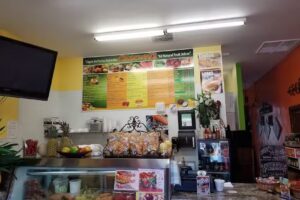
At its core, Juice Nation was designed to cater to a growing market of health-conscious consumers. The establishment positioned itself as a premium smoothie shop, specializing in organic cold-pressed juice. This method of extraction is known for yielding a more nutrient-dense product, a fact the business leveraged to justify its offerings. Long-time fans praised the quality and taste of the products. One customer, for instance, highlighted the "Go Green.. Lo White" juice as a favorite way to consume a daily serving of vegetables, indicating that the product itself was a significant draw. The menu featured a wide array of options, from healthy smoothies like the "Draymond Green" packed with superfoods, to various wellness shots and extensive juice cleanse programs. These cleanses, available in one, three, five, and seven-day packages, were a cornerstone of their business model, appealing to those looking for a structured health reset.
The emphasis on organic ingredients was a key selling point. For patrons who prioritize clean eating, the promise of organic produce in their juices and smoothies was enough to make them loyal customers. This commitment to quality ingredients was, for some, a fair trade-off for the prices, which they considered reasonable for the value provided. The staff was also noted, in some instances, for providing helpful health advice, enhancing the image of the shop as more than just a place to grab a drink, but a resource for wellness.
Points of Contention: Price and Product Transparency
Despite the appeal of its healthy offerings, Juice Nation faced significant criticism, particularly regarding its pricing structure. While some data points listed the business with an inexpensive price level, customer experiences often told a different story. One review detailed a bill of over $60 for a single juice, a smoothie, and a sea moss supplement. This starkly contrasts with the idea of an affordable cafe and points to a major disconnect in perceived value. While organic juice is inherently more expensive to produce, such high costs alienated customers who felt the prices were exorbitant, regardless of the ingredient quality.
Furthermore, serious questions were raised about the products themselves. A particularly damaging review alleged that the "fresh pressed juices" were not made fresh on-site but were produced elsewhere and brought in for sale. This claim, if true, undermines the very essence of a local fresh juice bar. Another allegation targeted their sea moss supplement, claiming it was "chemically made." These accusations created a cloud of doubt around the authenticity and transparency of the business. For a brand built on health and natural ingredients, such concerns about product origins and integrity could be devastating, eroding the trust of its core customer base.
Widespread Customer Service Failures
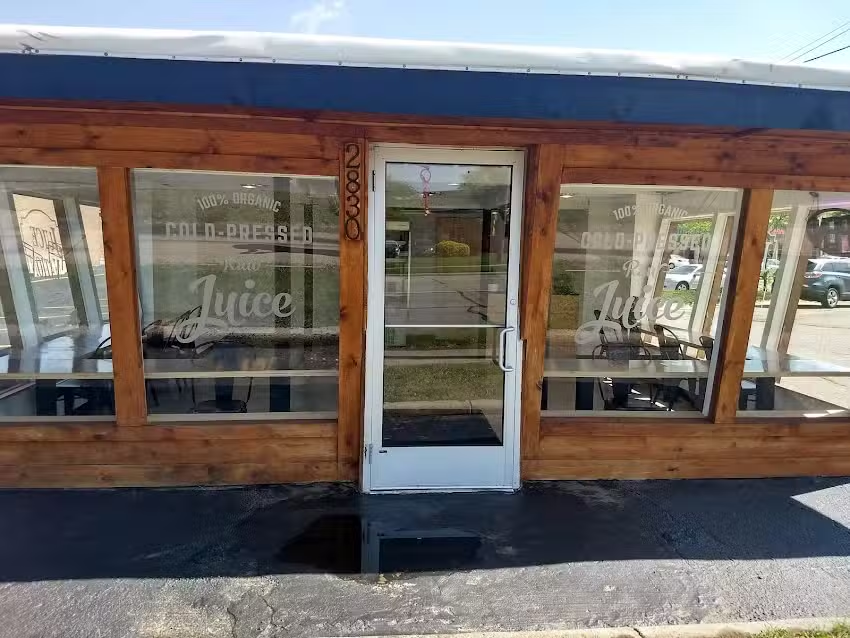
Perhaps the most consistent and damaging feedback centered on Juice Nation's customer service and operational policies. Multiple accounts describe experiences that left patrons feeling unvalued and frustrated. A recurring theme, especially during the COVID-19 pandemic, was a rigid and impersonal service model. Customers reported being unable to enter the store, forced instead to stand outside in inclement weather to place an order via a QR code or phone call. This policy was applied even for simple transactions, like purchasing a pre-bottled juice from the cooler.
This process proved to be not only inconvenient but dysfunctional. One customer recounted having difficulty using a gift card online and receiving no assistance from the employee inside. Another shared an experience of waiting in an empty parking lot to be served, only to be told to wait in their car. These interactions created a sense of being an inconvenience rather than a valued patron. The inflexibility extended to the menu as well; a customer with a honey allergy was told they could not substitute it with maple syrup in a smoothie, an accommodation that seems minor for a customer-focused business. The staff's response that "nothing could be done" after the resulting drink was unpleasantly tart further cemented the impression of a rigid and uncaring service culture.
A Legacy of Missed Potential
Juice Nation East Lansing is a case study in how a strong concept can be undone by fundamental business shortcomings. The demand for a high-quality health food store and juice bar was clearly present. The business had a product line that, at its best, was beloved by a loyal group of customers who appreciated the organic, nutrient-rich offerings like acai bowls and complex juice blends. However, the positive aspects were consistently overshadowed by operational flaws. The combination of polarizing prices, unanswered questions about product transparency, and consistently poor customer service created an environment where many potential long-term customers were turned away. The policies that made simple purchases difficult and left customers feeling ignored were particularly harmful. Ultimately, while the juices may have been good for the body, the overall experience was, for many, simply not good for the soul, leading to its permanent spot on the list of closed businesses.