Clean Juice
BackLocated at 641 E Grand River Ave, the now permanently closed Clean Juice franchise in East Lansing once served as a prominent destination for those seeking certified organic and healthy fare. Its presence was a direct response to a perceived need for more health-conscious food options in the community. For a time, it carved out a niche for itself, attracting a base of loyal customers who praised its products and atmosphere. However, the business also faced significant criticisms regarding its operational consistency and value proposition, painting a complex picture of its tenure before its eventual closure. This retrospective look examines the factors that defined the customer experience at this specific juice shop.
The Appeal: A Focus on Quality and Community
For many patrons, Clean Juice was a welcome addition to the local food scene. A primary draw was the brand's commitment to being a USDA-certified organic juice bar, a distinction that set it apart from competitors. This certification assured customers that the ingredients in their smoothies, juices, and food items were sourced according to strict federal guidelines, free from synthetic pesticides and GMOs. This was a powerful selling point for a clientele increasingly focused on clean eating and transparent sourcing.
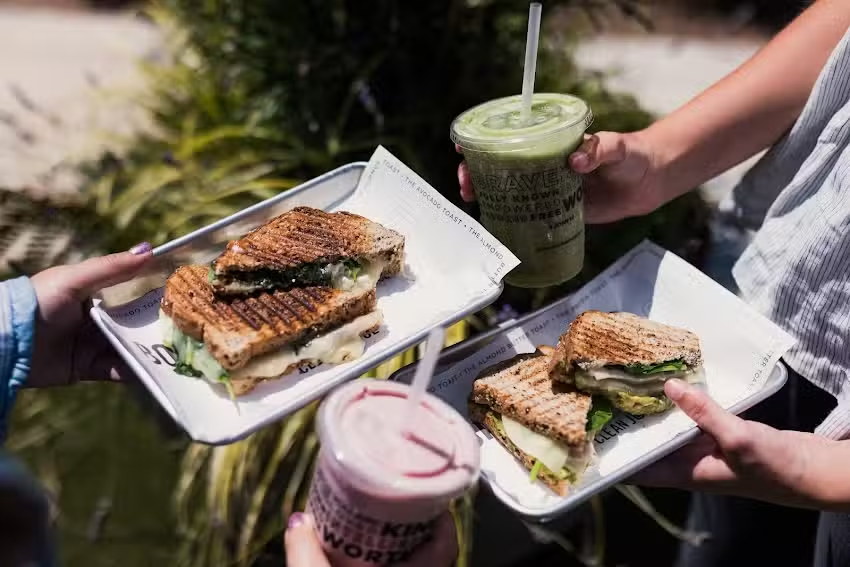
Positive reviews frequently highlighted the quality of the menu items. One customer described a berry bowl as "the best thing I ever had," while others consistently praised the high-quality food and drinks. The menu was diverse, offering not just juices but also a variety of fresh smoothies, wraps, toasts, and perhaps most notably, acai bowls. These bowls, thick smoothie-like concoctions topped with fruit and granola, were a fan favorite and often cited as a filling and delicious meal replacement. The franchise successfully capitalized on the popularity of these items, positioning itself as a go-to spot for a guilt-free, nutritious meal that catered to breakfast, lunch, and dinner crowds.
Beyond the products, the East Lansing location was commended for its excellent customer service and welcoming atmosphere. The staff was described as friendly and always greeting customers with a smile. Special praise was directed at the store owner, Mary Hargrove, whose positive energy was said to radiate throughout the establishment, creating a genuinely great environment. This personal touch fostered a sense of community and loyalty, turning first-time visitors into regulars who felt a connection to the business beyond the transactional. Convenience was another key factor in its favor, with a dedicated mobile app that allowed for easy ordering and quick pickups, a feature appreciated by customers with busy schedules.
Operational Shortcomings and Customer Frustrations
Despite the positive reception from a segment of its customer base, the establishment was not without its detractors. Significant issues were raised concerning value for money and order accuracy, problems that appear to have persistently undermined the customer experience for some. One of the most damaging criticisms came from a customer who discovered that the 24oz beverage they paid a premium for was, in reality, only a 20oz serving. This discrepancy led to feelings of being intentionally misled and overcharged, with the customer labeling the practice "shameful." Such an experience directly attacks the trust between a business and its clientele, particularly when the products are already at a moderate price point (Price Level 2).
Inconsistencies in food preparation also proved to be a source of frustration. Another patron reported ordering an acai bowl with extra granola—and paying for the add-on—only to find the granola was completely missing from the order. While this customer maintained an overall positive view and planned to return, the incident points to a lack of attention to detail in the kitchen that can easily sour an otherwise good experience. When customers pay extra for specific ingredients, their omission is a clear failure in quality control.
These specific complaints from the East Lansing location mirror broader challenges faced by the Clean Juice franchise nationally. Reports have surfaced about widespread franchisee dissatisfaction, with many operators struggling to achieve profitability. A controversial corporate decision to switch from fresh, in-house cold-pressed juice to pre-bottled alternatives was a major point of contention, as it allegedly cut into profit margins and removed a key selling point of the brand. While it's unclear if this change was implemented before the East Lansing closure, it reflects a larger pattern of operational and financial pressures within the franchise system that could impact individual store performance and consistency.
A Look at the Broader Context
Clean Juice's core identity as the only USDA-certified organic juice bar franchise gave it a unique market position. The brand offered extensive support to franchisees, from site selection to marketing, aiming to replicate its success across the country. The menu was designed to be appealing and accessible, with options like juice cleanse programs for the dedicated health enthusiast and more casual fare like sandwiches and wraps for a broader audience. However, the East Lansing location's story shows that a strong brand concept isn't always enough. The execution at the local level is paramount. While the owner's positive influence was noted, the reported issues with portion sizes and order accuracy suggest that operational systems may have had critical flaws.
The permanent closure of the Grand River Avenue location leaves a void for those who valued its commitment to organic ingredients and its friendly service. It serves as a case study in the challenges of the food service industry, especially for franchise models. Balancing quality, customer service, price, and operational efficiency is a difficult act. For this Clean Juice, the positive aspects were strong enough to build a loyal following, but the negative experiences concerning value and reliability were significant enough to tarnish its reputation. Ultimately, the business could not sustain itself, joining a number of other Clean Juice locations across the country that have also closed their doors amidst systemic franchisee struggles.