
Smoothie King
BackLocated directly on the campus of Loyola University, this specific Smoothie King branch offers a targeted service primarily for students, faculty, and campus visitors. Its presence provides a quick and accessible option for those seeking healthier meal and snack alternatives amidst a busy academic schedule. The establishment functions as a convenient juice bar, offering services that include dine-in, takeout, and delivery, catering to the varied needs of a university community. A notable feature is its wheelchair-accessible entrance, ensuring it is available to all members of the campus population.
The On-Campus Advantage: Strengths and Offerings
The primary benefit of this Smoothie King is its strategic placement. For students rushing between classes, leaving the gym, or needing a fast meal without straying far from campus grounds, its location is a significant asset. It serves as a modern alternative to traditional university dining hall fare, aligning with a growing demand for health-conscious and customizable food options. The brand is well-established, meaning most customers arrive with a clear expectation of the product—a blended fresh fruit smoothie designed with specific nutritional goals in mind. This familiarity removes the guesswork often associated with trying new food spots.
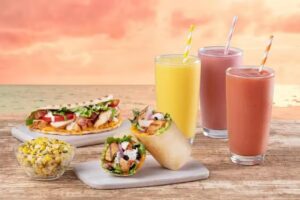
The menu is structured around the brand's core concept of "Smoothies with a Purpose." It is segmented into various categories to help customers choose a blend that matches their immediate goal, whether it's fitness, wellness, or a simple treat. These categories offer a wide range of choices:
- Get Fit Blends: This is arguably the most popular category for a university setting with an active student body. These smoothies are rich in protein to help build muscle and aid in post-workout recovery. Offerings often include high-protein ingredients like whey or plant-based proteins, making them ideal protein smoothies for athletes and fitness enthusiasts.
- Be Well Blends: Focused on overall wellness, this line often incorporates nutrient-dense ingredients like leafy greens (kale, spinach), fruits rich in antioxidants (blueberries, acai), and various vitamins and minerals. Options may include vegan smoothies and blends designed to support the immune system, which is particularly appealing in a dense community environment like a university.
- Manage Weight Blends: For customers looking for lighter fare, these smoothies are typically lower in calories and sugars while still being filling. They function well as meal replacement shakes, providing a balanced mix of protein, fiber, and essential nutrients to keep one satiated without the heaviness of a traditional meal.
- Enjoy a Treat Blends: While still healthier than many dessert alternatives, this category offers richer, more indulgent flavors. They provide a satisfying option for those craving something sweet without completely abandoning a healthy diet.
Beyond smoothies, many locations also offer healthy snacks and, increasingly, items like smoothie bowls, which provide a more substantial, spoonable meal topped with granola, fruit, and seeds. This expanded menu enhances its role as a legitimate food destination rather than just a beverage stop.
Areas for Consideration: The Drawbacks and Discrepancies
Despite its convenient location and strong brand menu, there are several points potential customers should consider. The online presence and customer feedback for this specific campus location are notably sparse. It holds a modest rating of 3.4 stars, derived from a very small sample size of just nine reviews. This lack of detailed feedback makes it difficult for a prospective customer to gauge aspects like service speed, staff friendliness, or consistency of the product. Compounding this issue, one of the few reviews is a 1-star rating from a user who explicitly states, "Never been here," which unfairly skews the already limited data. The remaining reviews are ratings without comments, leaving a significant information gap.
A Critical Look at Operating Hours
A major point of confusion is the listed operating hours. Information provided in some online directories and data aggregators suggests the location is open 24 hours on most days, which is highly improbable for an on-campus food vendor. In contrast, official university and brand web pages often list more conventional hours tailored to the academic calendar, such as closing in the early evening and having reduced hours on weekends. This discrepancy is a significant drawback, as students relying on inconsistent third-party data could arrive to find the establishment closed. It is strongly recommended that customers verify the hours directly through the official Loyola University dining services website or by calling the store before visiting, especially during evenings, weekends, or university holidays.
Price and Value Proposition
The price level is rated as moderate. While the cost is justified by the use of whole fruits, organic vegetables, and specialized protein powders, it may present a challenge for students on a tight budget. A single smoothie can cost significantly more than options available in the university cafeteria or from a vending machine. While it is a healthier investment, the price point makes it more of a planned purchase or occasional treat for some, rather than a daily staple. Furthermore, as noted on the university dining website, this on-campus franchise location may not honor the national deals and promotions advertised on the main Smoothie King website, potentially reducing its value proposition compared to off-campus branches.
A Convenient but Unverified Campus Option
the Smoothie King at Loyola University stands as a valuable and convenient resource for its target audience. It provides a reliable menu of healthy smoothies and other products that serve as a welcome alternative to typical fast food. Its on-campus location is its greatest strength, offering an unmatched level of accessibility for the university community.
However, the customer experience is not well-documented, with a public rating that is based on insufficient and partially irrelevant data. The significant confusion regarding its operating hours is a practical issue that requires customers to be proactive in verifying information. While the product itself is consistent with the national brand's standards, potential patrons should weigh the moderate price point against their budget. It successfully fills the niche of a dedicated juice bar on campus, but would benefit from a clearer online presence and more substantial customer feedback to build a more reliable reputation.