Stay Connected Juice USA
BackStay Connected Juice USA, once located at 20283 Santa Maria Ave #2469 in Castro Valley, California, is now permanently closed. This establishment, which operated under the broad category of a "store," leaves behind a digital footprint that suggests it was positioned within the competitive health and wellness market. An analysis of its name and location provides insight into its probable business model, its potential offerings, and the inherent challenges it likely faced before ceasing operations. For former patrons or curious locals, what remains is a look back at a business that aimed to serve the growing demand for nutritious beverage options.
A Business Model Defined by Location
One of the most telling details about Stay Connected Juice USA was its address. The location at 20283 Santa Maria Avenue is not a typical retail storefront. Research indicates this address corresponds to the Castro Valley Post Office, with the #2469 likely designating a P.O. Box or a similar mail service unit within the facility. This immediately suggests that the business did not operate as a traditional walk-in juice bar or smoothie shop where customers could order at a counter. Instead, it points overwhelmingly to a business model centered on production and distribution from a remote or private commercial kitchen, with a mailing address used for corporate correspondence rather than public interaction.
This approach, often referred to as a "ghost kitchen" or delivery-only model, has distinct advantages and disadvantages. On the positive side, it significantly reduces overhead costs associated with leasing, decorating, and staffing a public-facing retail space. These savings can theoretically be passed on to the consumer through more competitive pricing or invested in higher-quality ingredients. The focus shifts entirely from the in-store experience to the product itself and the efficiency of its delivery. For a business specializing in perishable goods like fresh juice, this model allows for centralized quality control and production scheduling based on incoming orders, potentially minimizing waste.
However, this model also presents substantial hurdles. Without a physical presence, building brand recognition and a loyal customer base is a significant challenge. A traditional organic juice bar benefits from foot traffic, impulse buys, and the sensory experience of seeing and smelling fresh ingredients. A delivery-only service must rely heavily on digital marketing, positive online reviews, and word-of-mouth to attract and retain customers. Furthermore, the logistics of a juice delivery service are complex. It requires a robust ordering platform, reliable delivery partners, and carefully designed packaging to ensure that products like cold-pressed juice arrive fresh, cold, and intact. Any failure in this logistical chain can quickly damage customer trust.
Inferred Product Offerings and Target Audience
While a specific menu for Stay Connected Juice USA is not readily available due to its closure, the business name itself offers clues. "Stay Connected" implies a focus on holistic health—connecting mind, body, and nutrition. This branding suggests a product line aimed at health-conscious consumers, likely featuring items designed for specific wellness goals. It's reasonable to assume their offerings included popular products in this market segment:
- Cold-Pressed Juice: This is a staple for any modern juice shop. Unlike traditional centrifugal juicers, cold-press machines extract juice without generating heat, which helps preserve vitamins, minerals, and enzymes. Offerings would have likely included green juices, fruit blends, and root-based juices featuring ingredients like beets and carrots.
- Juice Cleanse Programs: Many businesses in this space offer curated detox juice packages. These programs, typically lasting from one to five days, provide customers with a numbered series of juices designed to replace solid meals, purportedly to rest the digestive system and eliminate toxins.
- Healthy Smoothies: Blended beverages, often incorporating superfoods, protein powders, and nut milks, would have been a logical extension to appeal to customers seeking meal replacements or post-workout nutrition.
- Wellness Shots: Concentrated 2-4 ounce servings of potent ingredients like ginger, turmeric, or wheatgrass are popular for customers seeking a quick health boost.
The target audience was likely individuals interested in fitness, wellness trends, and convenient nutrition. This includes busy professionals, fitness enthusiasts, and people seeking to make proactive changes to their diet. The delivery model would have been particularly appealing to those with demanding schedules who value the convenience of having healthy options brought directly to their home or office.
The Unseen Customer Experience: Pros and Cons
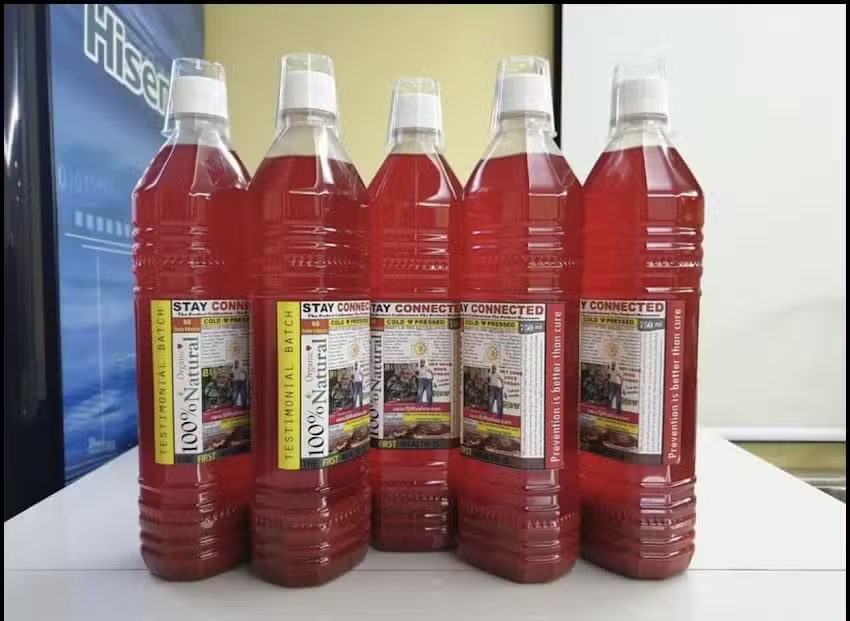
For customers, the primary benefit of a service like Stay Connected Juice USA would have been convenience. The ability to order a full juice cleanse or a week's supply of fresh juice online and have it delivered removes the time and effort of shopping, prepping, and juicing at home. The quality of the ingredients, often organic and locally sourced in this type of business, would have been another key selling point. The photos provided by the business in its online listings depict vibrant, professionally bottled juices, suggesting a strong focus on product presentation and quality.
On the other hand, the lack of a physical storefront presents clear drawbacks. A customer could not sample a new flavor before committing to a purchase. There was no opportunity to ask questions directly to knowledgeable staff about the health benefits of different ingredients. This absence of face-to-face interaction can make a brand feel impersonal and makes it harder to build the community feel that many local cafes and juice bars cultivate. Furthermore, customers were entirely dependent on the accuracy of online descriptions and photos, and any discrepancy between expectation and reality could only be addressed remotely, likely via phone or email, which can be a frustrating process.
The Reality of a Closed Business
The most significant "con" associated with Stay Connected Juice USA is its permanent closure. While the specific reasons are not public, businesses in the food and beverage industry, particularly niche ones, face immense pressure. The juice and smoothie market is highly competitive, with established national chains and local independent shops vying for the same customers. For a delivery-only business, the costs of customer acquisition through digital advertising can be very high. Additionally, the operational costs of sourcing high-quality, often organic, produce and managing a perishable inventory are substantial.
The progression from "Temporarily Closed" to "Permanently Closed" noted in its business data suggests a period of struggle where the owners may have attempted to resolve operational or financial issues before ultimately deciding to shut down. This outcome serves as a case study on the difficulties of sustaining a delivery-centric food business. Success requires not only a superior product but also flawless logistics, savvy digital marketing, and a competitive pricing structure that can cover the high costs of delivery and ingredients. Without a strong, recurring customer base, the model is difficult to sustain long-term. Stay Connected Juice USA's closure indicates that, for whatever reason, it was unable to achieve that sustainable balance.