jüs
BackFor fifteen years, jüs was a notable presence in Reno's health food landscape, particularly at its well-known MidTown location on South Virginia Street. After its recent permanent closure, a look back reveals a business that cultivated a loyal following through high-quality products, even as it faced the inherent challenges of a competitive market. This establishment became a go-to spot for a dedicated clientele seeking nutritious, fresh options long before many similar concepts arrived in the area.
The Positive Legacy of jüs
The core appeal of jüs was its unwavering commitment to quality ingredients, a fact consistently praised by its former patrons. The menu was a focused collection of health-centric items that resonated with customers looking for genuine nutritional value. The offerings were not just drinks and snacks; for many, they were part of a daily wellness routine.
Product Excellence and Menu
At the heart of the business was its selection of juices and bowls. Customers frequently described the products as "amazing" and the quality as "unbeatable." This reputation was built on a foundation of freshness that was evident in every item. The offerings included a variety of cold-pressed juice options, from simple celery juice to complex, purpose-driven blends like the "regainer" and "strengthen" formulas. This demonstrated an understanding of the wellness community's desire for functional foods.
Beyond juices, the shop was celebrated for its "divine" fruit bowls and healthy smoothies. These weren't just afterthoughts; they were substantial, well-crafted meals. Popular smoothie additions like avocado and chia seeds indicate a menu that was both on-trend and nutritionally sound. The acai bowls, in particular, were a major draw, always prepared with fresh toppings that provided both flavor and texture. For the most dedicated customers, jüs also offered multi-day juice cleanse programs, solidifying its status as a serious wellness destination.
Customer Service and Community
A significant factor in the longevity of jüs was its staff. Reviews frequently mention "fast, friendly service" and highlight specific employees by name, such as Ty and Emily, for their positive energy and for remembering customers' regular orders. This level of personalized attention fostered a strong sense of community and loyalty. It transformed the simple act of buying a juice into a positive daily interaction, making customers feel valued and understood. This rapport is what kept people coming back, with some patrons even purchasing products in bulk to stock their refrigerators, taking advantage of discounts for larger buys.
The Challenges and Ultimate Closure
Despite its many strengths and loyal customer base, jüs eventually ceased operations. While the specific reasons for the closure of all its locations have not been officially detailed, an analysis of its business model and the competitive landscape offers some insight into the difficulties it likely faced.
Operational Model and Authenticity
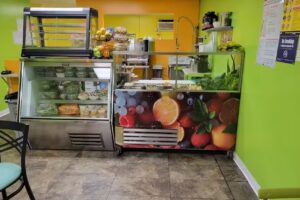
One of the most significant critiques of the business model centered on its production process. Instead of pressing juices fresh in-store—a practice many customers of a premium juice shop expect—jüs operated a central commissary for production. This meant that juices were prepared off-site, pasteurized, and then distributed to the retail locations. This model, while potentially efficient, stripped away the "theater" and perceived authenticity of seeing fresh produce turned into juice on the spot. For a customer paying a premium price, the experience of grabbing a pre-bottled drink from a refrigerator felt more akin to a grocery store than a specialized organic juice bar. This disconnect between price and experience may have been a critical vulnerability.
Competition and Market Positioning
The Northern Nevada market for fresh juice is notoriously challenging. Jüs faced intense competition from both local shops and established national chains like Keva Juice and Jamba Juice. While jüs aimed for a higher-end, wellness-focused niche, its product offerings, including acai bowls and smoothies, were not entirely unique. Competitors offered similar items, often at a more accessible price point. This lack of strong product differentiation meant jüs was competing heavily on brand loyalty and location, which became more difficult as the market grew saturated and consumer options expanded. The premium price point, while justified by ingredient quality, was a hurdle for some and a recurring theme in customer feedback.
Expansion and Business Decisions
Strategic decisions regarding expansion also appear to have played a role. Opening new locations, such as one in Northwest Reno, may have stretched resources and revealed a misunderstanding of neighborhood demographics. Furthermore, a public relations misstep occurred when an owner appeared on a popular podcast and made self-deprecating comments about the product's taste. In a premium market where brand confidence is paramount, such an incident can significantly damage consumer perception and undermine the value proposition.
The story of jüs is a dual narrative. On one hand, it was a beloved local business that succeeded for over a decade by delivering high-quality, genuinely healthy products with exceptional, personalized service. It built a loyal community and became a staple for many in Reno's MidTown. On the other hand, its closure serves as a case study in the difficulties of the modern food and beverage industry. Operational models that compromise the customer experience, fierce competition, and questionable strategic decisions created vulnerabilities that could not be overcome. For its many devoted fans, the absence of jüs is a loss for the local health food scene, leaving behind the memory of a place that, at its best, set a high standard for what a local juice bar could be.